When I put in a word for Loch Ard Gorge it is the rocks I speak of first, not the views. Ten minutes out of Port Campbell you can be standing there and have the Southern Ocean lay bare how limestone is made into caves, arches and stacks, broken fins and all.
It would seem from a map to be no more than a roadside interlude. But the rock formations at Loch Ard Gorge have a way of drawing you about the entire precinct, the main gorge, Razorback limestone formation, Thunder Cave, over to Island Arch. You may think you are in for 20 minutes but with the wind up and a proper eye on the cliff faces two hours will pass.
Some Quick Facts
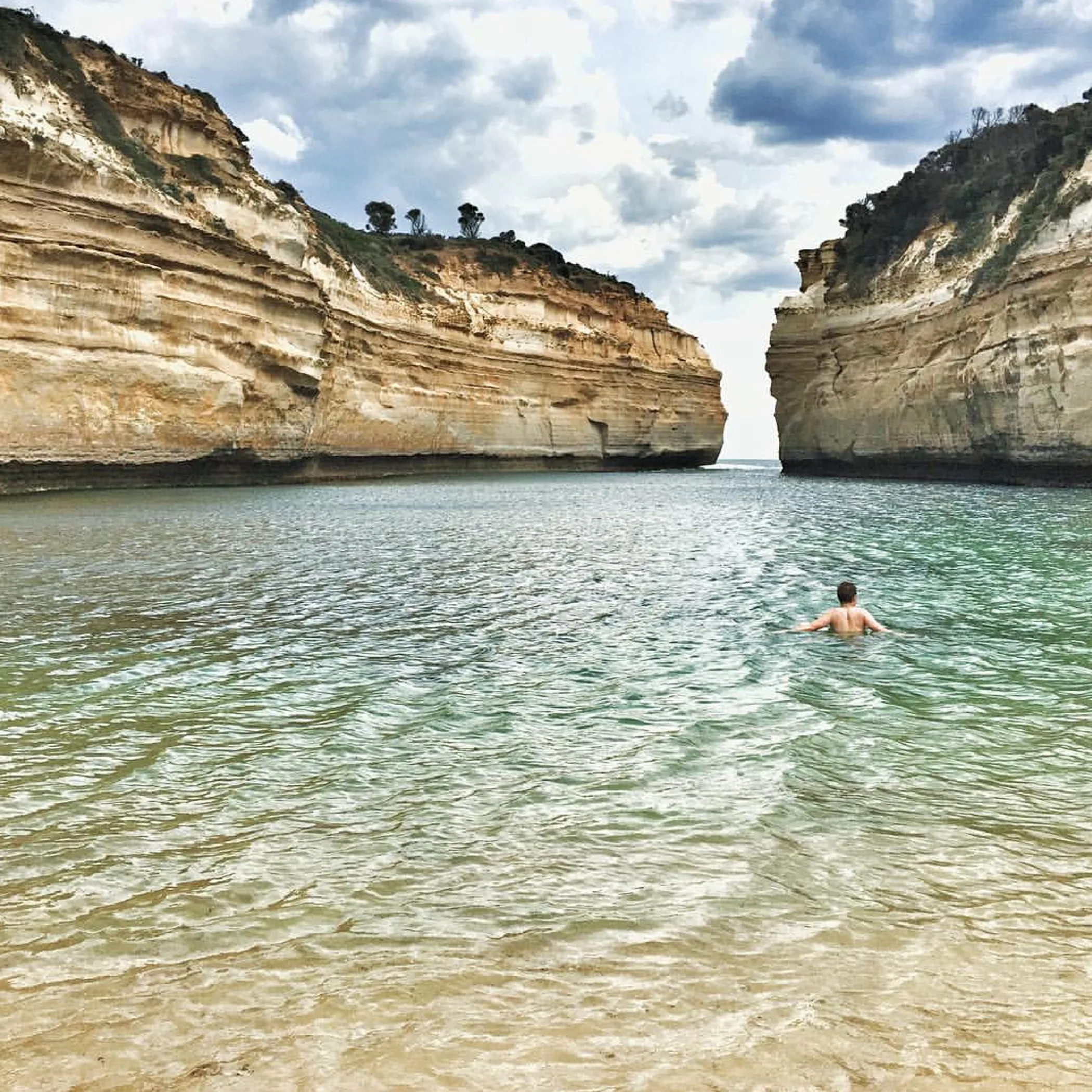
Practicalities are what make or break a stop on the Great Ocean Road if you are making a day of it. Loch Ard Gorge is in south-west Victoria’s Port Campbell National Park, not far from the Twelve Apostles and you get right to it off the Great Ocean Road on a sealed road. Cars are the norm, as are Great Ocean Road tour buses.
With its parking, stairs, signed paths and platforms it is as straightforward a coastal stop as you will find in this part of the world. Then again Parks Victoria has been known to close a track or viewing area for maintenance or where the cliffs have taken damage from heavy swell; Tuesday’s access may not be what was available last month.
| Feature | What To Know |
| Location | Port Campbell National Park, south-west Victoria, off the Great Ocean Road |
| Nearest Hub | Port Campbell (accommodation, fuel, food) |
| Best For | Shipwreck history, photography, some short walking, geology and the like |
| Time to allow | 1.5-3 hours for something other than a photo op |
| Terrain | Sealed paths and lookout platforms, uneven in places by the coast |
| Beach Access | Generally by steps down into the gorge, depending on conditions |
| Nearby | The Twelve Apostles, Mutton Bird Island and other rock formations along the road |
Reading The Coast
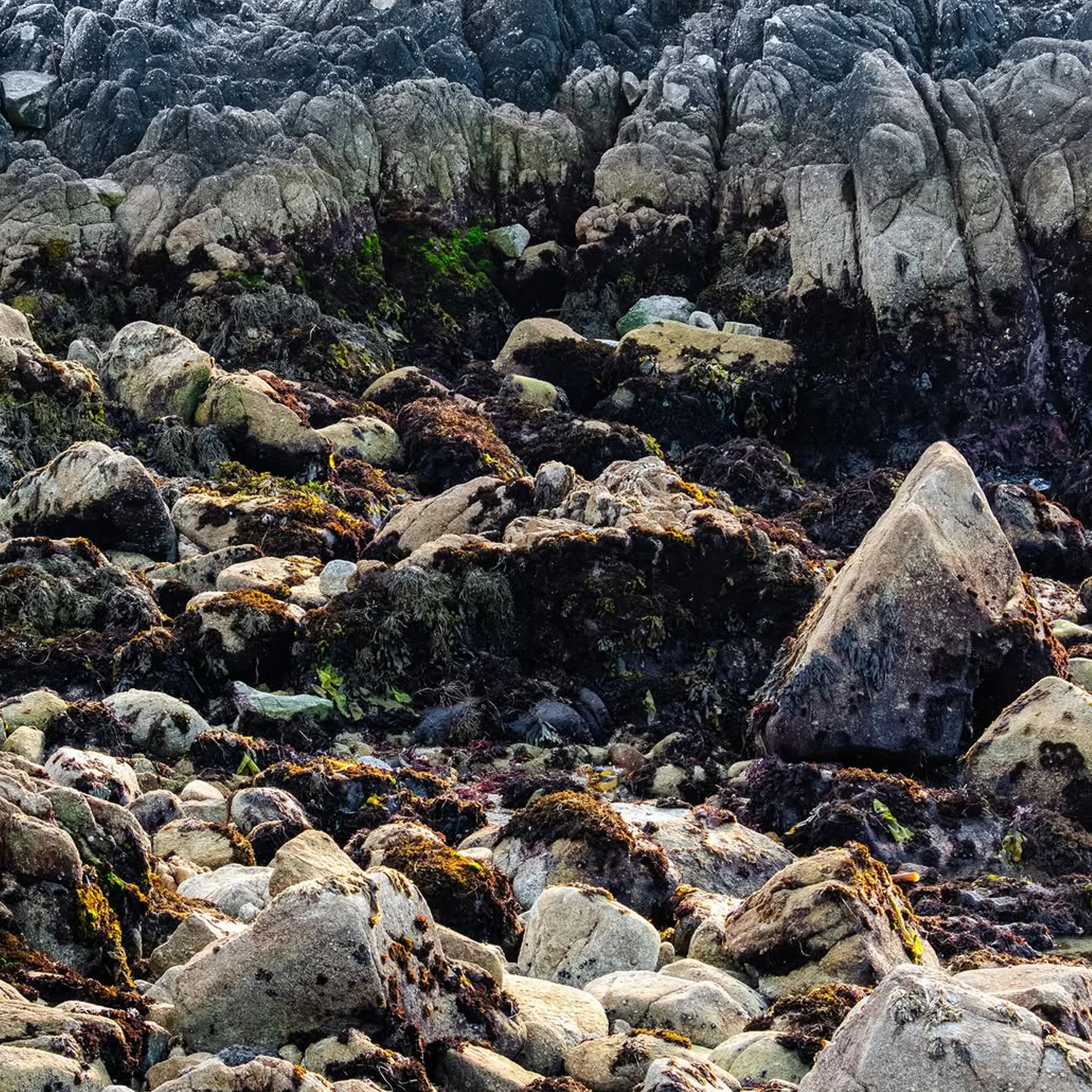
You don’t require a university education or field guide to make sense of the geology here. A headland will show you the whole story: the joints in the limestone, weak spots that open up, an arch thinned down by the swell until the roof goes and you are left with an offshore stack.
For the most part it is old marine sediment, exposed to the elements and to the Southern Ocean which will find a crack and enlarge it come what may.
Coastal Erosion In Action
Forget the arrows in a textbook sketch. It is very physical.
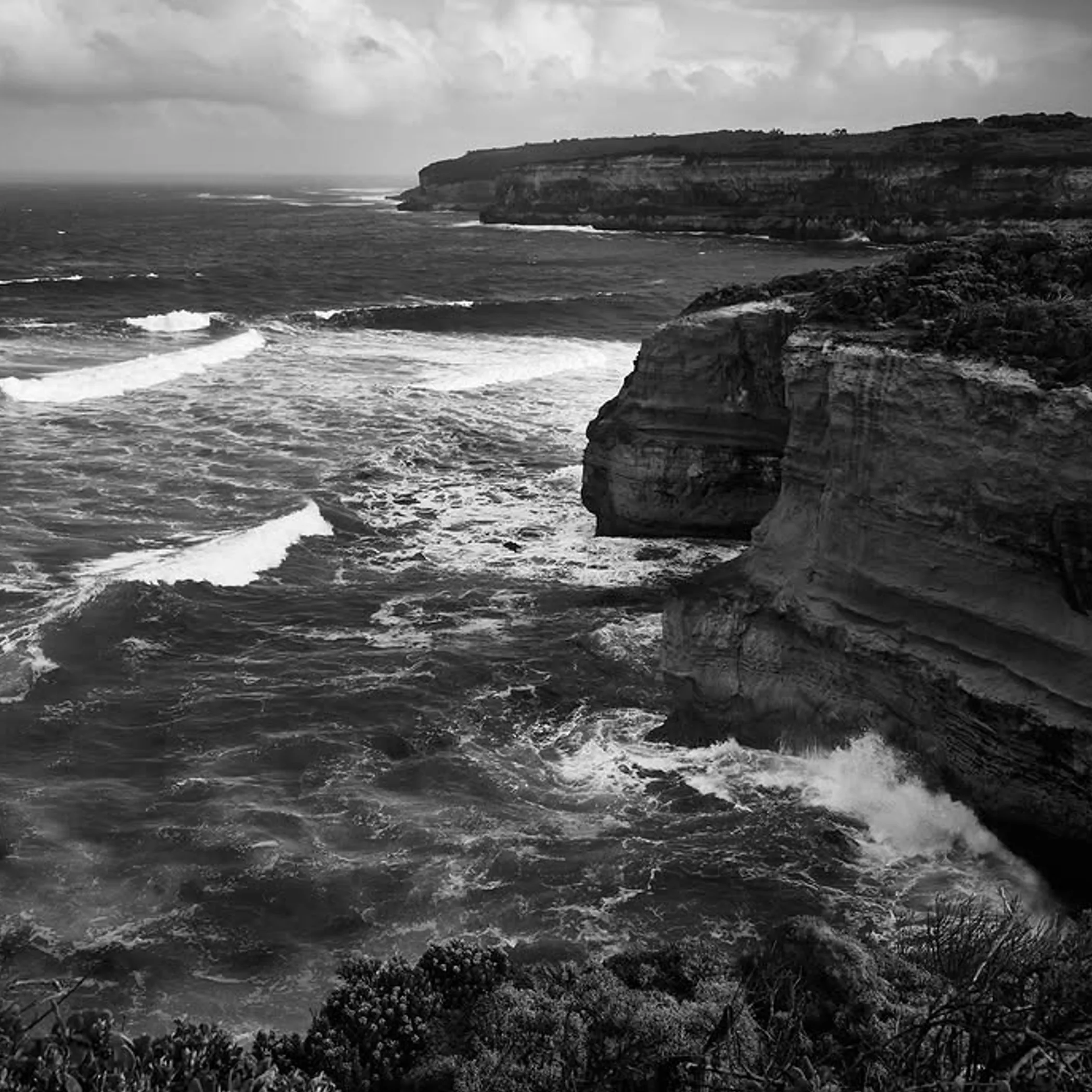
Waves at the base of the cliff will get into a fracture and make a cleft of it, then a cave. Put the right angle on the rock line and the swell and the cave will cut through to an arch before it all comes down in pieces. Anywhere on the shipwreck coast you can see it happen.
And the danger is not to be overlooked. From 30 metres back the top of a cliff seems solid enough but an edge can be undercut or over a hollow. There is a fence for a reason.
Why The Rocks Are Never The Same
They are not meant to be permanent. Island Arch is proof, a named formation that has had its day. And storm surge, groundwater and weathering are at work on every overhang.
Check with Parks Victoria on the state of the tracks and any safety notices before you set out.
A Few Formations Worth Noting
People tend to remember this.
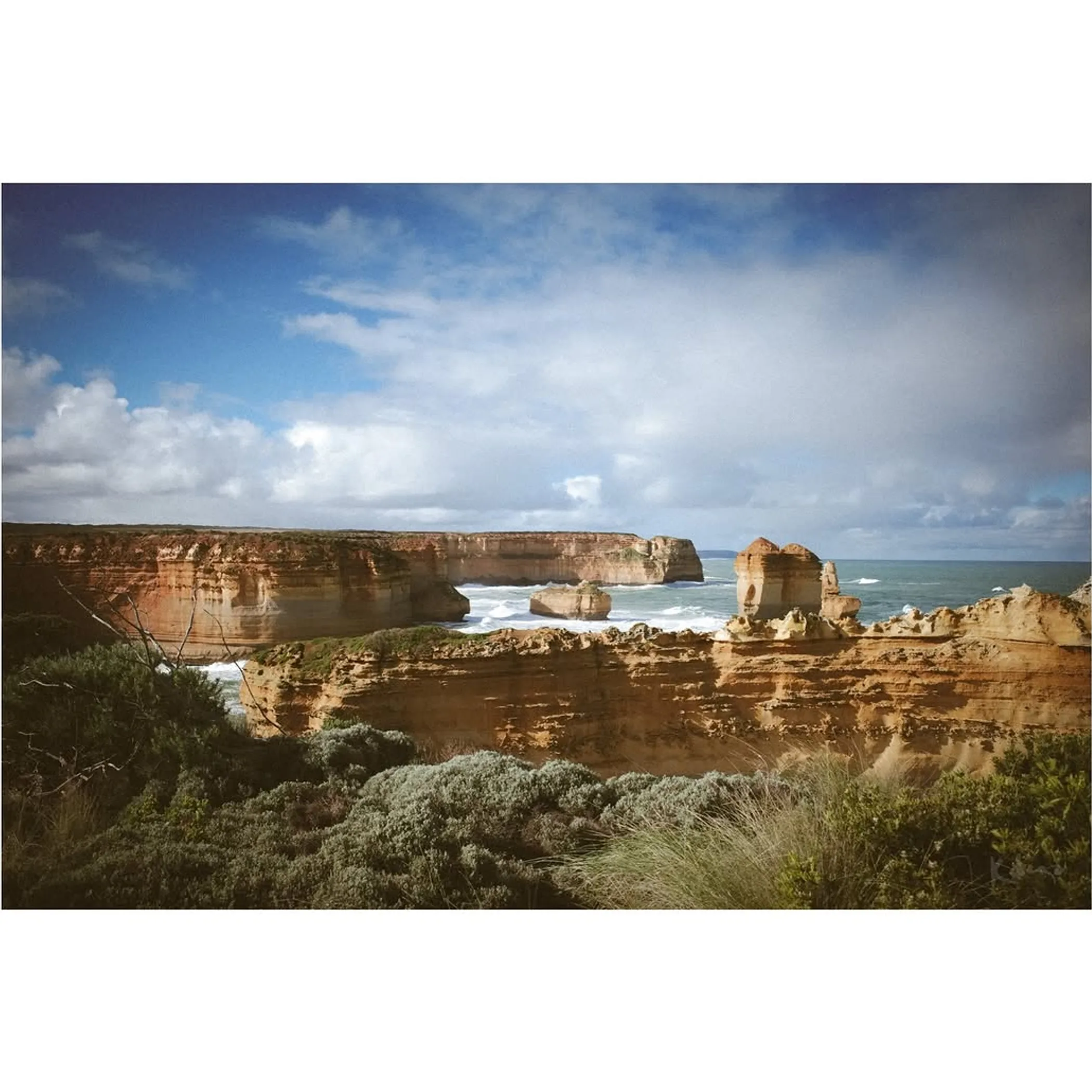
There are a number of different forms in a small space at Loch Ard Gorge so it is a good stop for those with an interest in coastal geology, not just the one hero shot for your camera. My advice is to look sideways down the cliff line as well as the horizon, you will find the detail in the hollows and bedding and in the sea’s work at the bottom of things.
Razorback Up Close
At first sight Razorback has an almost ridiculous air to it. There is the skinny blade of limestone, and it is still there.
You are seeing a remnant in effect, the tougher or more fortunate strip that has been left behind as the rest wore away. The profile is so thin it tells you in no uncertain terms that some parts will hold on for a while before they don’t.
Put it in rough weather and white water will be all over the base, making the formation seem like it ought to have been gone years ago. The midday sun has a way of bleaching the texture, but come late afternoon the low light brings out the colour and shape of the stone.
Island Arch And Collapse
There was a time when Island Arch was one of the plainest examples to be found here. It has collapsed now.
It is a good thing too, for it dispels any notion that a national park lookout is put there to be static; this coast is never still and what you name is only a temporary phase in the erosion. Some will be put off by the bluntness of it. If they have read old trip reports or brochures they may go away with a tinge of disappointment to find the landmark is not as they were led to expect.
Thunder Cave And Blowhole Energy
Shape is not the point at Thunder Cave, it is the noise and the movement. You have to wait for a decent set.
With the swell up the water will put enough force into the cave to make it boom across the headland and fling the spray back, a fine demonstration of how sea caves and blowholes get at the rock’s weak spots. On a calm day it is underwhelming. Let the big seas put right.
Mutton Bird Island And Sea Stacks
The stacks offshore and Mutton Bird Island put the scene in perspective. Make the comparison between the island and the broken platforms and the detached stacks and you will see them as one retreating coastline, not separate attractions with their own tale to tell; in that way Loch Ard Gorge is tied to the Twelve Apostles in short order.
Different names, same mechanics.
Walks, Lookouts And Sand
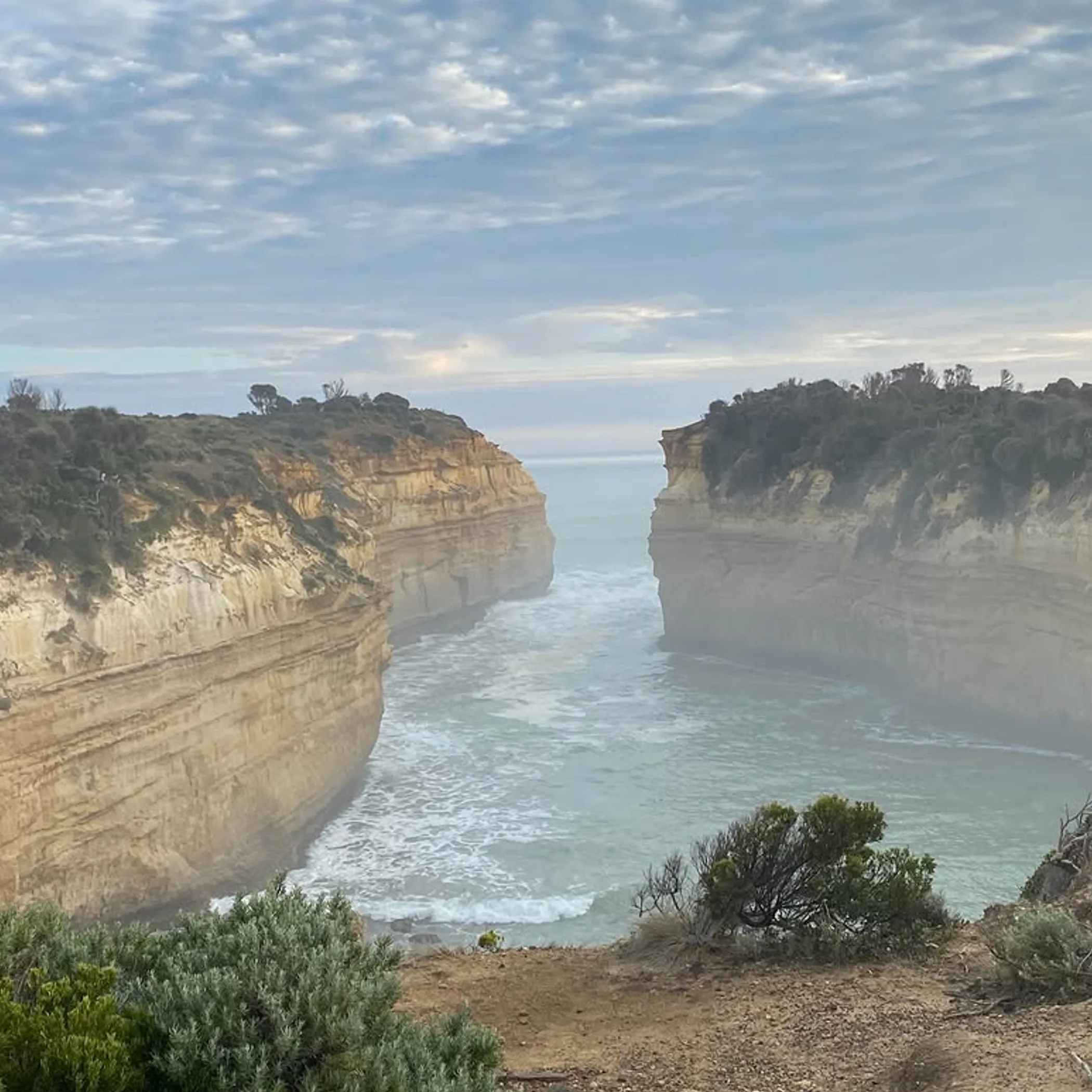
No need for a long walk to get your bearings. A couple of lookouts, some stairs and a few paths and the site is open to you.
A road trip plan will have you think 20 minutes is enough. In practice, after you have parked and made your way between platforms and put in time for a bus group to clear and then gone down to the beach stairs, you are looking at 90 minutes. You can stand there and feign readiness to depart when you are not.
Realistic Route Planning
From Port Campbell it is a matter of five or ten minutes in the car, traffic being what it is. Sealed roads from Warrnambool or Apollo Bay are straightforward enough, but holiday traffic on the Great Ocean Road has a habit of crawling and folks will brake for every bend with a view of the water, so you will be hard put to do in the time your map app told you at breakfast.
One can get back to Melbourne in a day if one wants to, but pleasant I would not say.
Then there is parking. More of a factor than you might think in summer and school holidays. The bays are full in a hurry, a coach puts in an appearance and the main platforms are crowded for a quarter of an hour, then not at all, then they are again.
| Area | Realistic Time | Effort | Main Payoff |
| Main Gorge Lookouts | 20-40 min | Easy | The classic gorge and limestone cliff views |
| Beach Access Stairs | 20-30 min extra | Moderate for some | Views of the sheltered gorge from sand level |
| Thunder Cave / Platforms | 20-35 min | Easy to moderate | Cliff lines, acoustics and wave energy |
| Combined Short Precinct Walk | 1.5-3 hours | Moderate overall | For the geology and a proper overview of the walking trails |
Beach Access Reality Check
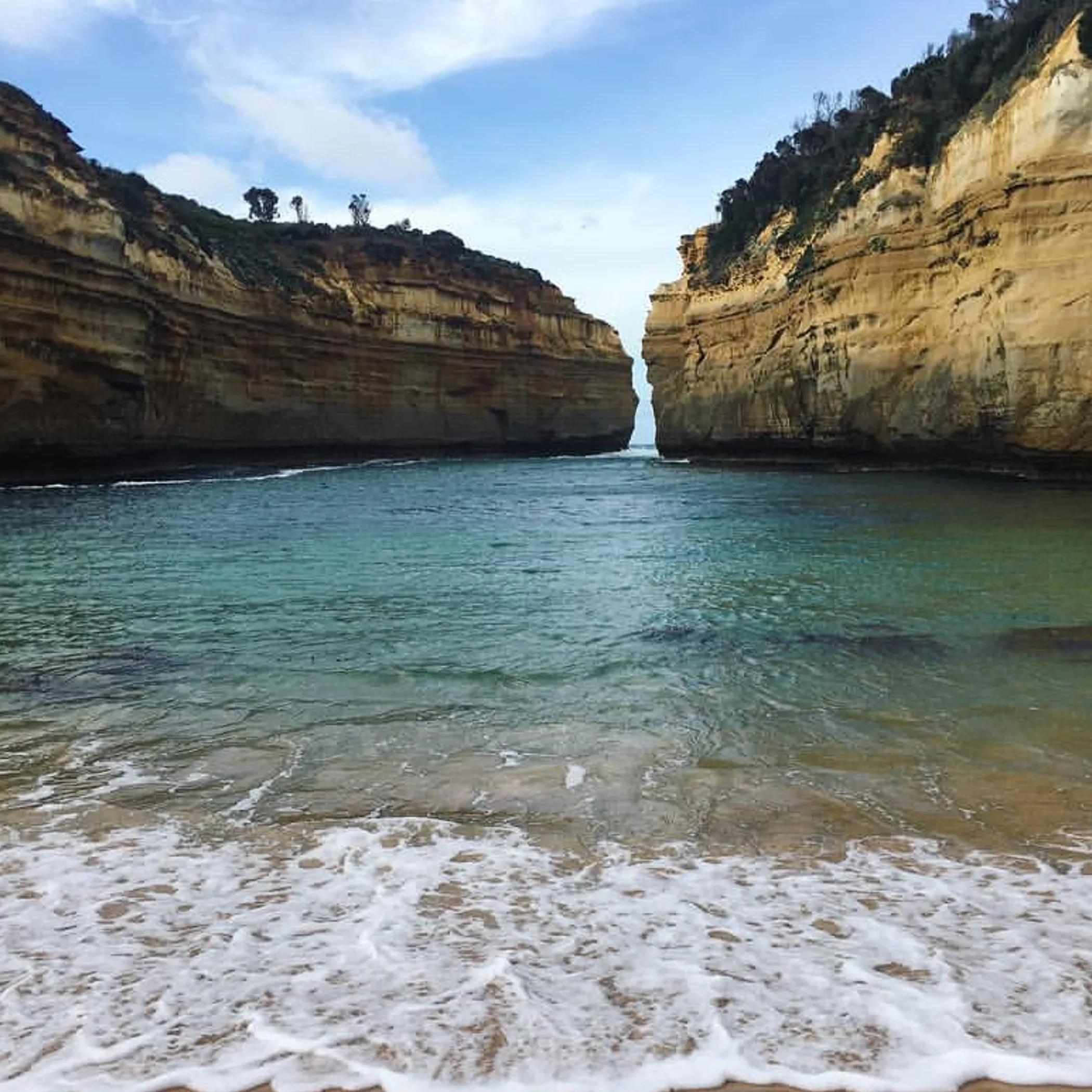
Via the stairs into the gorge you can get to the sand. Not that the water is to be trusted for a swim.
From above the gorge appears to be protected, yet the Southern Ocean sees to that. With the surge and wet rock and slippery steps, and the possibility of a closure, a casual visit can be a poor decision if you judge by looks. I consider it a place to have a look, or put in a paddle. Anything more calls for judgment.
Geology Walk And Shipwreck Story
Add the shipwreck to the equation and the rock story is all the better for it. In 1878 the Loch Ard was lost, leaving two teenagers, Tom Pearce and Eva Carmichael, to put in at the shore by the gorge.
In a way that puts a different complexion on the visit, you are not merely viewing a dramatic cleft in the cliffs but are on ground with a connection to one of Victoria’s coastal disasters. The interpretive signs have a right to be here.
It is rare, I would say.
Safety And Current Access
A word before someone does something unwise at the edge of a cliff.
By the standards of the national park, getting to the Loch Ard Gorge is no trouble, yet one should expect steep drop-offs, gusts of wind and the odd closure, unstable rock being part and parcel of this place when the coast has been hard put to by bad weather.
Those wondering about a temporary shutdown will find the reason is of a practical nature: storm damage, work on the track or unsafe stairs and lookouts. Fences and barriers are there for a reason, do not go over them because another has done so for the sake of a picture.
One can count on the exposed platforms having more wind than the car park, which is something to bear in mind with children or anyone who is unsteady on his feet. Damp stone and a smooth sole don’t mix so have some grip in your shoes. On the beach, give any overhangs or a crumbling base of the cliff a wide berth. Make sure to check what conditions are like officially before you set out, particularly if there has been wild surf or rain.
For a day on the Great Ocean Road, make time to do the Twelve Apostles and Loch Ard Gorge properly; trying to run from one viewpoint to the next on the map will leave you with little recollection of either.
As for mobility, it is a mixed bag. Some of the precinct is off limits to certain visitors on account of uneven ground and stairs, though a number of lookouts are plain sailing.
When It Works Best
You won’t find a month that makes everything right. It comes down to how much weather you can stand and the light and the crowds.
The shoulder times are calmer as a rule. Come the summer school holidays and the main platforms are well and truly packed by late morning, with coach after coach putting in an appearance and all hands wanting the same vantage point for a photo. Winter has its merits, being colder and louder and moodier.
Light, Weather And Crowds
Limestone is at its finest in the early or late hours of the day, side light defining the cliffs. A softer light will bring out the warmth in the rock and put some texture in the sea, and an overcast day is fine if the darker shipwreck coast suits you. Not so in January when the sun is directly overhead and detail is flattened.
Make it a habit to have a windproof layer on hand. The forecast may call for a mild 19 degrees in inland Victoria but I have put in an hour there with cold hands and salt in my eyes to prove otherwise.
What To Pack
Nothing complicated. A jacket, water, sun protection, good footwear and a phone or camera with the storage to spare. Do yourself a favour and put some snacks in if you are making a circuit of Port Campbell National Park. After an hour of the wind slapping you about, the hunger sets in and the nearest decent bakery in Port Campbell seems a long way off. An independent visitor will find the costs of entry to be minimal; what you put out is for fuel, provisions and a place to stay, and car hire where necessary. One might as well put in an overnight near Port Campbell than make a hard run back to Melbourne in a day.
Easy Stops Nearby
The coast around Loch Ard Gorge is a hive of activity, which is fine for the traveller but not so much for your timetable.
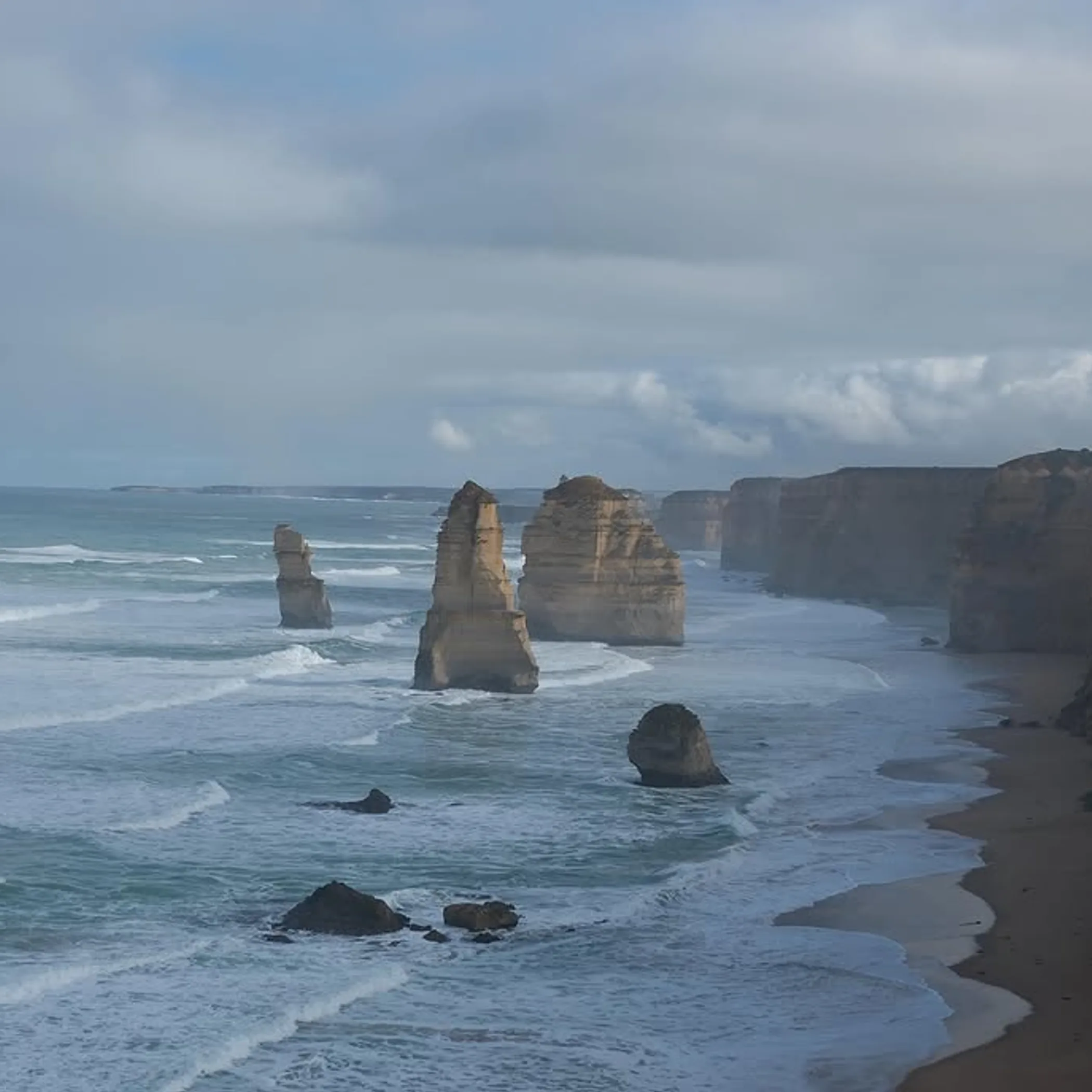
Then there are the Twelve Apostles. Being in close proximity to the gorge they go hand in hand, and it is a good arrangement: at one stop you have the offshore stacks in all their size, at the other you can take in the shipwreck tale and the more confined geology with its stairs and beach, no long detour required.
As to the location of the 12 apostle rocks, you will find them in that part of Port Campbell National Park east of Port Campbell and in the vicinity of Princetown, on the Great Ocean Road route everyone seems to be on.
Make time for a proper visit at Loch Ard Gorge rather than some hurried affair on a platform elsewhere if variety is what you want.
For the postcard picture at the Twelve Apostles, wait until later or earlier in the day and the crowds will have dissipated somewhat.
And when the weather sours, let any notion of going beyond what the conditions permit for beach access go and content yourself with the safe lookouts.
FAQ
I get asked these most often by those deciding if Loch Ard Gorge is worth making a real stop or just to stretch one’s legs. The answer is either.
Why Is Loch Ard Gorge Temporarily Closed?
Safety is the reason. Be it from a storm or debris or unstable cliffs, or simply because the stairs and viewing spots are hazardous, track maintenance may be underway.
Where Are The 12 Apostle Rocks?
Near Loch Ard Gorge and to the west of Princetown in Port Campbell National Park off the Great Ocean Road. A short drive has most people doing both in the course of an outing.
What To See At Loch Ard Gorge?
The gorge first and foremost, and from there the principal lookouts, Razorback, Thunder Cave, the Island Arch, Mutton Bird Island and what limestone is left of the offshore. You might as well consider the story of the Loch Ard shipwreck as part of the experience.
Can You Swim In Loch Ard Gorge?
Access to the beach is open at times, but that does not mean one should be swimming every day. From up high the water may appear calm but the conditions have a way of changing in a hurry.
Is Loch Ard Gorge Suitable For Beginners?
On the managed paths and stairs, yes. But if you have designs on scrambling off the beaten track or making light work of an unstable cliff edge then no.
The Takeaway Before You Go
There is substance to a stop at Loch Ard Gorge, not merely scenery. It is all contained in a small area of the national park: the geology is there to be read, the viewpoints are easy of access, you can usually make it down to the beach by way of the stairs and there is a shipwreck account of some note on this stretch of the Victorian coast.
When you do go, put on some shoes with a bit of grip and check with Parks Victoria before you head out. Do not be fooled by five minutes of looking at the water and thinking it is placid. This coast is in the habit of tearing itself apart, which is what makes it such a sight.
