The numbers from the NT make for a stark reading. An attack is an uncommon event but of a severity and speed that is not to be underestimated, particularly in the saltwater crocodile country of the Top End. Australia’s most serious and fatal incidents have been recorded in the Northern Territory; it is home to the bulk of the wild estuarine crocodile population as well as the tidal waterways and human traffic at rivers, billabongs, beaches, boat ramps and floodplains.
In short, one can trace the record of attacks in the territory to three factors: the hunting that went on prior to legal protection, the robust recovery of the species since 1971, and the inevitable friction between wildlife and people who fish or camp in croc country. Nicholas Fairchild might say the NT is no place for complacency even if it does not present the kind of danger one sees on a movie poster.
What you will find in this article
None of the brochure stuff, just the practical side of things. I have set out the attack patterns and the history, what is commonly misunderstood about them and the way crocodile management is done in the field in the Northern Territory. There is also some perspective on where fatal attacks cluster and why the wet season is a factor, and how Be Crocwise and the like figure into safety. For those doing research or travelling, or wanting to know what the fuss is about in Darwin and the Top End, it should be enough to spare you opening another dozen tabs.
A Few Quick Facts
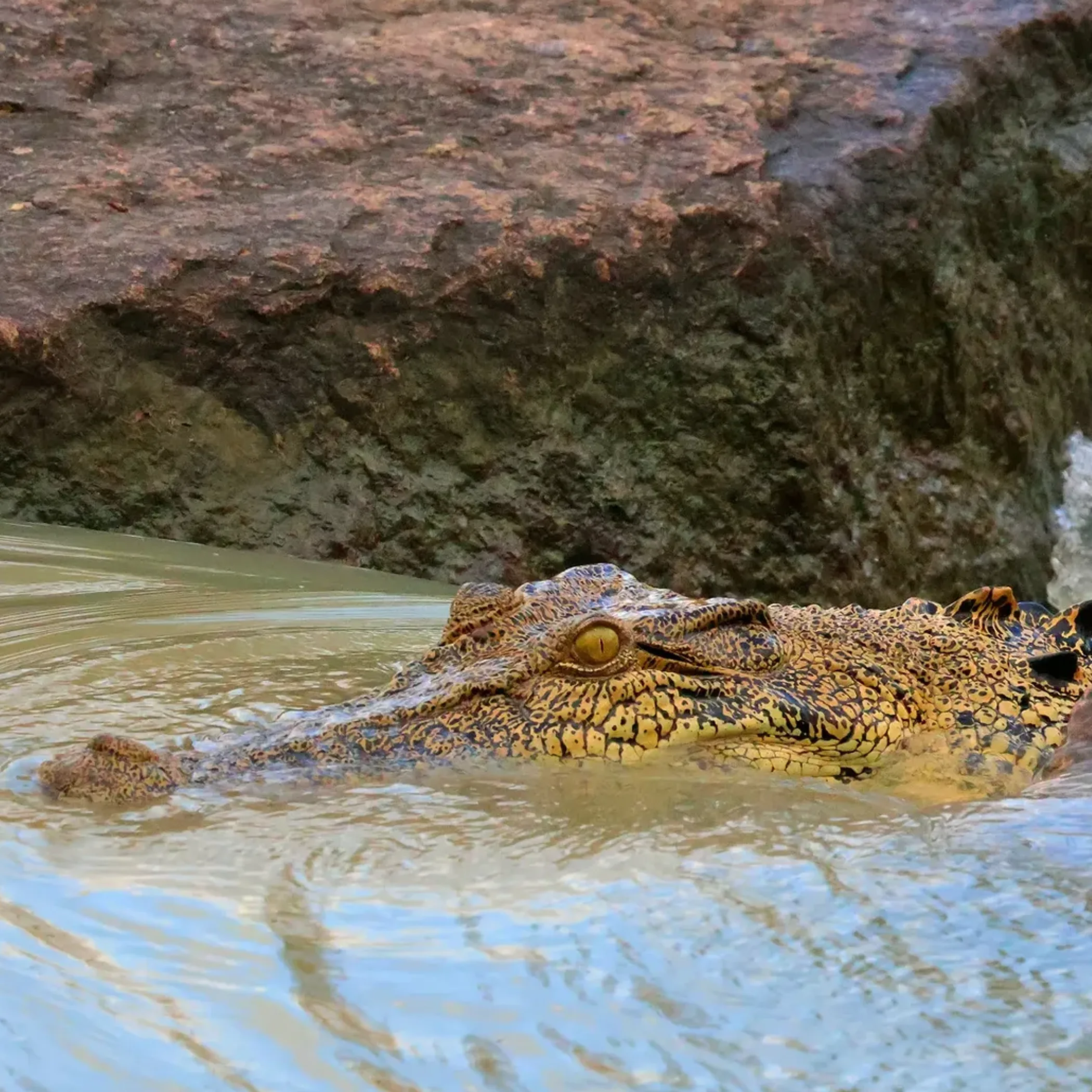
Crocodylus porosus, the saltwater crocodile, is the species behind the more serious attacks up north. Learn more about the famous sweetheart crocodile and its habits. Do not let the name mislead you, it is at home in fresh water as much as salt, ranging over estuaries, beaches, tidal creeks and inland billabongs with ease.
There is more likelihood of an attack in the NT than anywhere else in Australia given the density of crocodiles and the extent of their habitat, and where the two intersect with people. Local custom is to be wary of any natural water in the Top End unless you have been told otherwise by the authorities, for while not every waterway has a croc in it, many do.
How The Risk Has Evolved
Put today’s figures in context and you have to look at the days of hunting. Wild populations were hard put to by the demand for skins in northern Australia.
Then came protection and a complete change of course. One of the finest wildlife recoveries in Australia has ensued but it has put more crocodiles in the vicinity of where someone might put in a tinnie or think a quiet river is safe.
From Hunting To Protection
Much of northern Australia saw its saltwater crocodiles decimated before there was any law to protect them. Any account of NT crocodile attacks worth its salt will point to 1971 as the watershed moment in the territory when long term recovery began.
Ecologically significant though that is, it has meant greater exposure in day to day life. With more crocs in the waterways comes the need for monitoring and education. A higher number of sightings in some quarters is not an indication of poor management so much as animals dispersing and making good on a rebounded population.
Consequences Of Recovery
Active intervention has become necessary as the population has put down roots. You could not have a city like Darwin with its mangroves and creeks and consider the crocodile a problem for the remote bush, hence the establishment of the Darwin Crocodile Management Zone.
It is easy for a visitor to be caught off guard by the reality of it. Danger is not always dramatic. Some of these Top End attacks have their origins in unassuming places: a creek mouth as flat as a pancake, the edge of a fishing spot at dusk, a shallow crossing or low bank by some mud.
Where Management Is At Its Toughest
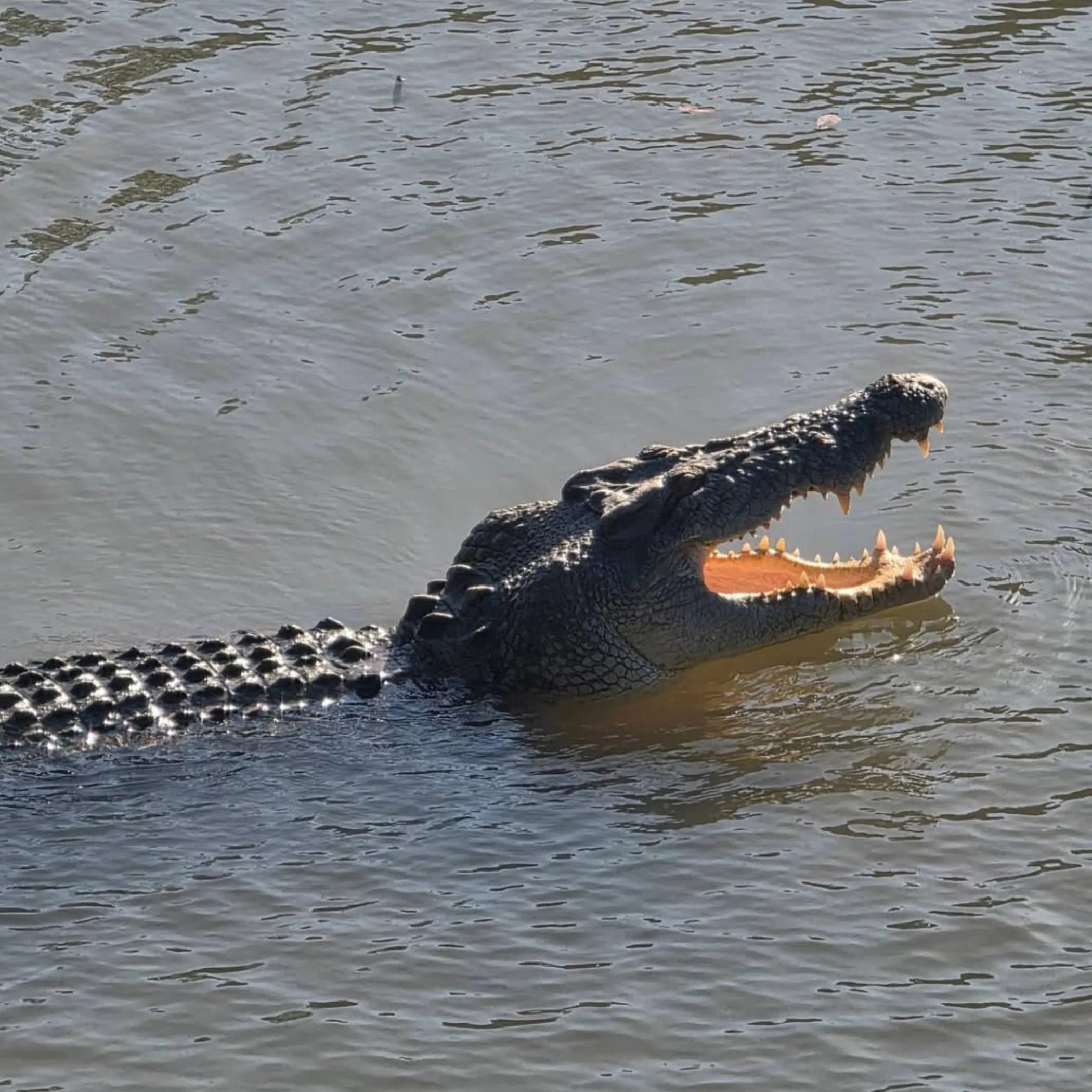
Not every location in the NT is treated alike. The approach to risk in urban Darwin is not the same as for the waterways of Kakadu or the rest of the Top End.
Take the Darwin crocodile management zone for instance. In practice it is an area under close scrutiny where the margin for error is small and the human element ever present, so the authorities are wont to remove crocodiles more proactively.
Darwin And The Waters About It
High use coastal and waterway areas in and around the capital fall under the purview of the Darwin Crocodile Management Zone. There is a straightforward logic to it: in areas with heavy boating, fishing, recreation and tourism, or where the population is dense, authorities will be more vigorous in culling problem crocodiles.
Do not mistake that for Darwin being “croc-free”. The aim is to mitigate risk, not do away with it altogether. Most would be wrong to think a removal is any kind of guarantee. A crocodile can put in an appearance in short order, particularly in the wet or after a flood, or by way of a tidal system.
Top End And Kakadu
The modus operandi changes once you are beyond urban management zones to one of monitoring, warnings, closures and the odd piece of site-specific advice alongside any targeted removals. In Kakadu National Park for instance, water levels and animal movement see conditions alter in a hurry.
One has only to travel the Top End to notice how unremarkable some of the perilous locations are. There is nothing cinematic about a sandy bank by a crossing or a creek line five minutes from the Stuart Highway, or even a boat ramp with ample parking. Which is precisely the trouble with them.
What The Statistics Show
For those consulting NT crocodile attack figures, the salient fact is that while there is a good deal of exposure for residents and visitors, incidents are rare; but should an attack happen the fatality risk is considerable and injuries are severe. Consequences are not small just because the numbers are.
Agencies and researchers will separate out fatal from non-fatal cases as a matter of course since raw totals are open to misinterpretation. A single bad bite can mean catastrophic trauma and an aeromedical evacuation to Royal Darwin Hospital and its trauma services, assuming the patient lives to tell of it.
Attack Pattern By Type
In the NT most of the serious business is done by people at the water’s edge or in it. Wading, swimming, fishing, standing on a low bank, dealing with a boat or going to get some gear all put one at risk.
Expect a higher than average fatality rate. An attack in a remote spot with poor visibility will often end in drowning before anyone can make a rescue. Prevention is what counts, despite the work done to better grasp the trauma burden by the likes of Charles Darwin University, Menzies School of Health Research, the National Critical Care and Trauma Response Centre and Royal Darwin Hospital.
| Category | What The NT Pattern Generally Shows | Why It Matters |
| Species | Saltwater crocodile (Crocodylus porosus) is behind almost every serious incident in the NT | You will not find the same data driven by freshwater crocs |
| Location | Boat ramps, beaches, estuaries and the like in the Top End tidal rivers and floodplains | The risk is where the habitat is, not spread about Australia at large |
| Victim Position | As a rule in the water or near to it | Staying off the water is the easiest form of protection |
| Season | Flooding and the height of the wet season are of greater concern | Crocs have more room to move |
| Outcome | Few cases in total, yet of a high severity | Rare is no synonym for minor |
Why Exact Totals Need Care
Be wary of anyone who proffers a tidy figure for all-time deaths or attacks without a database cut-off to back it up. It is overconfident. Whether one tallies attempted attacks or historical reports and missing persons in the same way as a medically confirmed non-fatal injury will alter the total.
A crocodile attack database is best read for its pattern rather than for show. The NT has Australia’s heaviest load of serious incidents and it is to be found in the habitat of the Crocodylus porosus in the Top End.
Hotspots And Seasonal Triggers
Practical risk is not uniform across crocodile country. Local behaviour, access and visibility will dictate the pattern of an incident. To put it plainly, a popular ramp in town can be as hazardous as a distant floodplain if folk are casual about it. Familiarity is what gets people in trouble.
Common High-Risk Settings
You will see the most Top End attacks in billabongs, floodways, creek mouths and tidal rivers. Darwin draws the eye on account of the mix of human traffic and crocodile habitat. Then there is Kakadu, a visitor mecca of crocodile country that is well known to the public.
Should you be in the Top End for a day and want a word of safety, take this: unless the local authorities have given the all clear, do not go to the edge of a natural waterway. Resist the urge to put in an impromptu swim just because the water is tempting and the afternoon is sticky. A bad idea has a way of looking very amiable.
Wet Season Reality
When the wet season is at its height, heavy rain and flooding put an end to predictability. They alter crocodile movement and open up habitat so that one can find animals in unexpected quarters: a culvert or drain, on flooded margins or in backwaters that have only just been reconnected.
Then there is the matter of transport and access which adds to the risk. A road may be shut, or by the time you get there the signage is old; step off the main routes and mobile signal has a way of disappearing. Should an attack occur in some out of the way place, what was a two-hour drive from Darwin turns into a retrieval of the rough as guts variety.
Why Incidents Are So Common
You would not say most attacks are down to ignorance of crocodiles. More often it is people who have just enough knowledge to let their guard down. Familiarity is a hazard of sorts.
Nicholas Fairchild might term it the holiday-brain problem. After a day of driving in the humidity you are ready for anything, come across a bit of water with no one else in sight and all the warnings seem like theory. They are not.
What Catches People Out
The risks are well known: standing too near the edge, swimming in unauthorised spots, cleaning fish at a ramp, letting your legs dangle over the side of a boat, going to the bank at dawn or dusk or making the error of thinking a small waterway is too confined for a croc. None of it is to be relied upon.
Alcohol is a factor in some instances, around a camp or while fishing, as is the overconfidence of having been there before without incident. The fact a spot was fine last year is of little account if the water, the food and the crocs have moved on.
- Keep your distance from the water’s edge, at night and first and last light.
- Do not swim in natural water unless there is a sign to the effect and it is currently considered safe.
- Where crocodiles might make an association between food and people, do not put out bait or wash dishes or clean fish.
- Put 50 metres between your camp and the bank if you can, shun the low muddy edges.
- Keep a watch on children and dogs, they are erratic and small and will draw attention.
Typical Victim Profile
There is no type, but the adult man is frequently the one in serious cases, be he fishing, boating, hunting or camping. Public discourse is full of visitors but locals get hurt too, generally when they let routine have the better of caution. In the NT this is more than a tourism concern, it is a question of land use and public safety and how behaviour and habitat interact with the limits of management.
Some Cases That Have Stuck
A case study puts the pattern in evidence where a slogan cannot. The details will differ but the mechanics are always the same: close contact with the water, poor visibility, a large animal taking you by surprise.
Take sweetheart crocodile. It is not an attack case but has entered the public consciousness as part of the NT lore surrounding large estuarine crocs in the vicinity of people. In a way it shows how public memory is wont to conflate myth and policy and science in a muddle.
Incident Lessons
The survivors of a bad incident in the NT will tell you there was scant warning before the crocodile made its move in a matter of seconds. Rescue is not always straightforward given the terrain, tides and weather.
For health services such as the National Critical Care and Trauma Response Centre or Royal Darwin Hospital it means dealing with patients who have suffered avulsion, blood loss, crush injury or near-drowning. From a public health view the soundest plan for trauma is to not be grabbed at all.
The Northern Territory Government’s Approach
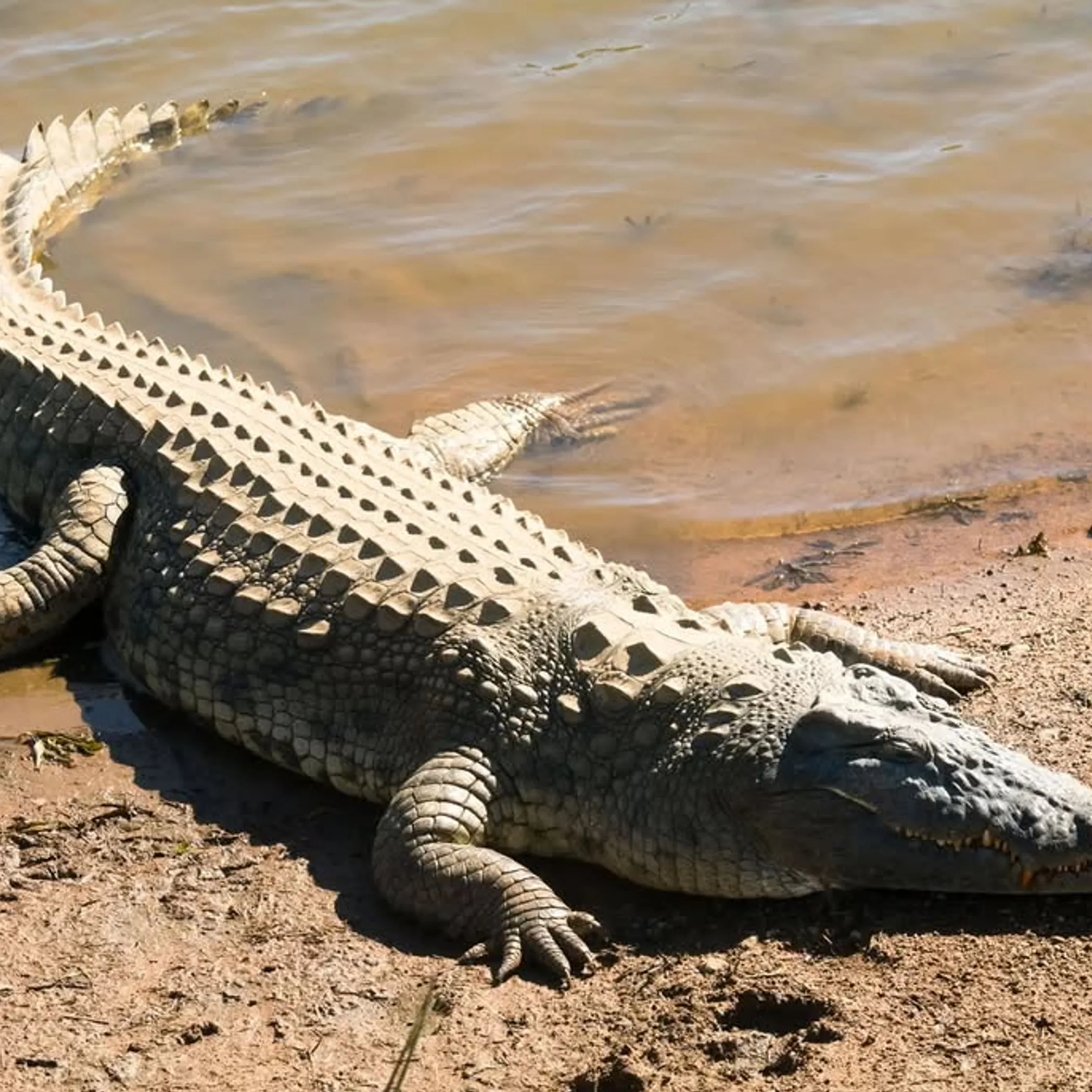
One does not see a single solution from the NT Government. There are education campaigns and research, public warnings and targeted removals along with surveillance and reporting.
The best-known public message is Be Crocwise and for good reason. The risks are simple enough: act as though the water is theirs, be aware of your location and the likelihood of crocodiles.
Removal, Monitoring, Education
As for monitoring and removal, any problem animal in the Darwin Crocodile Management Zone or elsewhere is put down. The Department of Environment, Parks and Water Security (DEPWS) has oversight of this within the NT Government, but administrative arrangements and agency names are subject to change so it is best to consult the official pages for the current set up.
The guidance put out by the Northern Territory on crocodile safety is blunt and practical. “Be Crocwise in and around all waterways” is the counsel of the NT Government for anyone in croc country. Do not make of it a slogan to put on a stubby holder and put out of mind; it is the rule you live by.
Who needs to be more circumspect
The likes of complacent swimmers, or free-range children at a boat ramp, have no place here. Nor do travellers who regard a warning sign as an insurance formality. Then there are those camping hard up against the water with no local knowledge, for whom the risk is considerable.
Practical logistics should be part of your plan when out boating, fishing or with a camera on wildlife. Make sure you can load up in a hurry from where you have parked, stay off low muddy edges at the launch and have your gear in order so as not to faff about at the bank. Allow yourself daylight for an unpressured return. A day out in the bush will run a couple of hundred dollars once you put fuel, ice, food, bait, permits and vehicle wear on the tab, and in that state of being hot and fatigued one is prone to hasty decisions in the late afternoon.
Reading the evidence
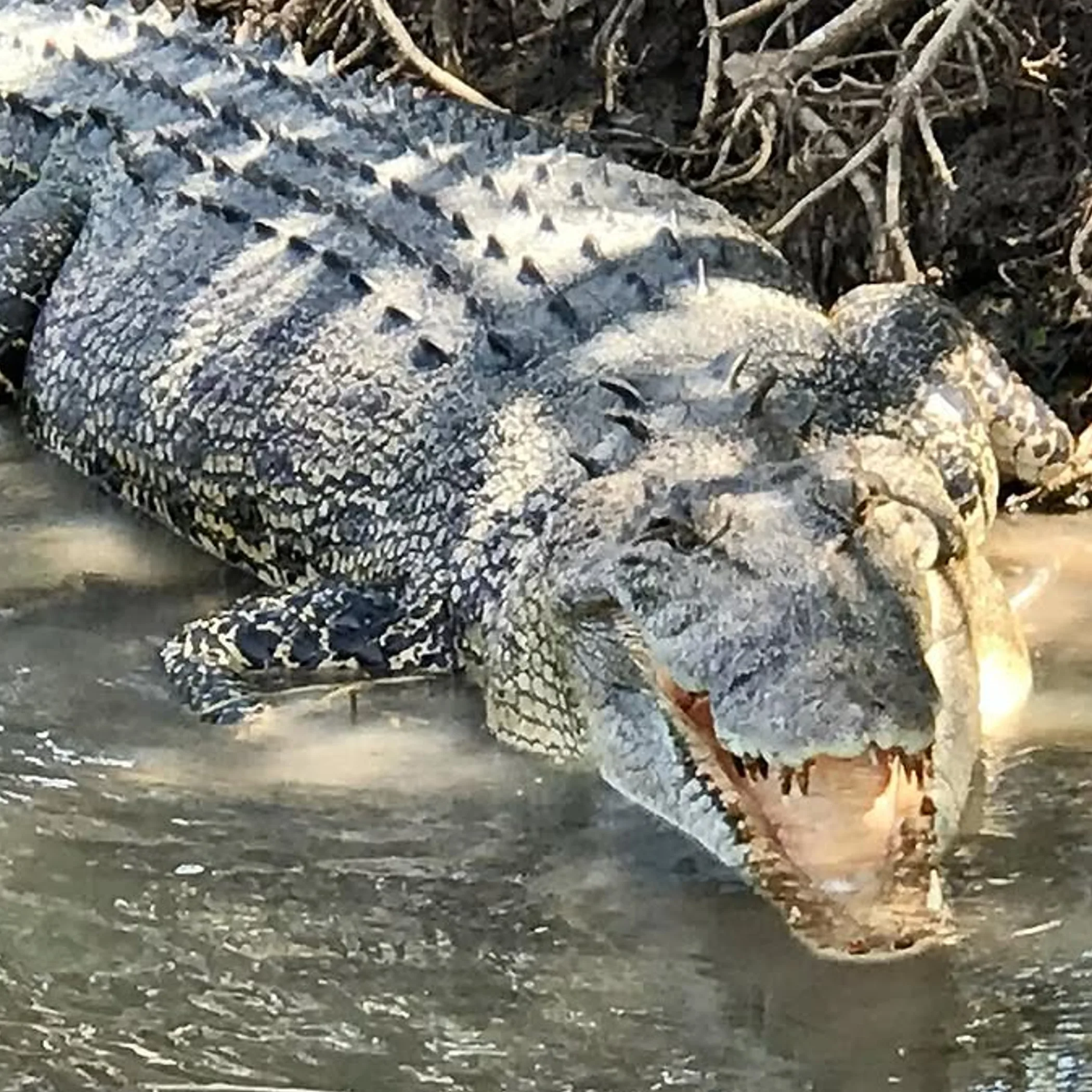
Australia could do with better reporting of saltwater crocodile attacks than what passes for dramatic headlines. There is a need for some transparency in inclusion rules and definitions, and local context to tell the difference between a trend and noise.
That is the province of the experts. You will find the full picture in the work of the Menzies School of Health Research, Charles Darwin University, hospital clinicians and government wildlife managers, each bringing their own angle be it ecology, injury burden or operational response.
Where the data is best
One will find the most credible evidence in official incident reports, peer-reviewed medical case series and the safety advice of the Northern Territory Government. Any list of crocodile attacks Australia must make the distinction between an unverified claim or anecdote and a verified event or fatality.
Even as the count of individual incidents is revised, the broad conclusions hold: the Top End has the highest exposure and the NT is the principal hotspot for anything serious, with the behaviour of the public at the water’s edge the one thing authorities can put a hand on.
Visuals for the researcher
In putting together a report I would opt for a cumulative timeline since protection was put in place, a map of the Darwin and Top End hotspots, and a table breaking down fatal from non-fatal. A chart of wet and dry season distribution is also worth having to account for how the public perceives the risk.
- Incidents should be mapped by habitat, from the estuary and tidal river to the billabong and creek.
- Do not put fatal and non-fatal in the same headline figure.
- Put in the management context too, like closure zones and warnings around Darwin, and show access conditions including any road closures from the wet season floods.
What it all means
There is nothing to panic over in the numbers of crocodile attacks in the NT, but they are there to remind one to conduct oneself accordingly. The NT has the most serious incident burden in Australia because the habitat, the animals and human exposure are all in the same vicinity.
The truth of the matter is that crocodile safety is a question of routine, not some act of heroism. Read the signs, stand back and make the assumption they are there. A hot afternoon and a pool of still water should not be allowed to talk you into doing something foolish.
Frequently Asked Questions
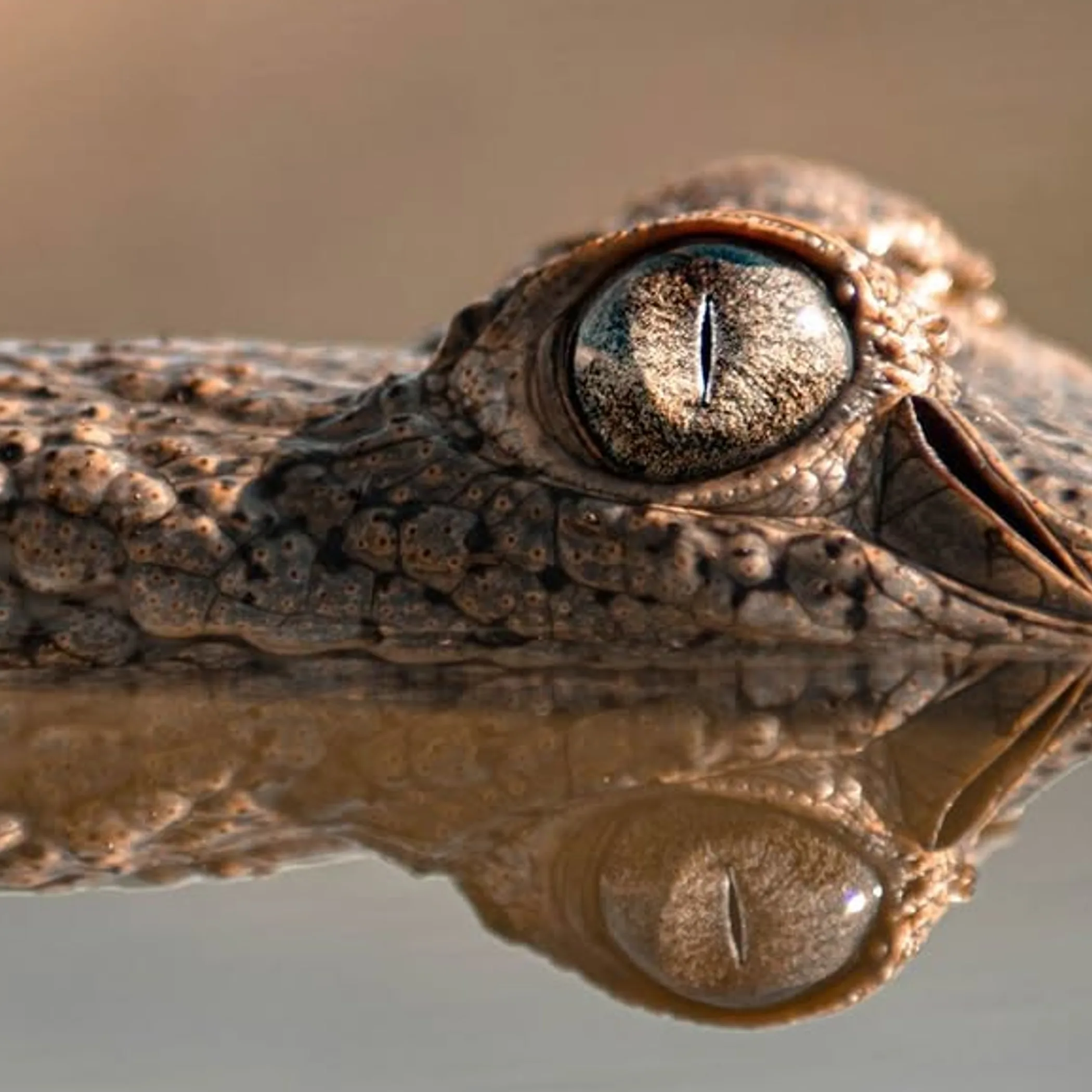
As a rule these are put to me after a person has had a good look at a muddy creek and begun to wonder.
How many fatalities from crocodile attacks in the Northern Territory?
I would not give a total for fear of false precision, the figures are too dependent on the source and whether one includes historical or disputed cases. It is beyond dispute that the NT has the most fatal crocodile incidents in Australia and they are a public safety concern of the first order given the severity of even a few cases.
Where in Australia are the most crocodile attacks?
You will find them in the Northern Territory, the Top End in particular, and this is true across the board for serious saltwater crocodile attacks. It is a matter of the extensive habitat for the Crocodylus porosus, the recovery of the population and the proximity of people to the waterways.
When was the last fatal attack in Australia?
I am not going to put a date to it as it is subject to change. For the latest confirmed fatality put it to the major news outlets or the NT Government. What matters for any long term analysis is that despite all the education and management, fatal incidents in northern Australia are still an intermittent reality.
And in Darwin?
One is not in a position to confirm the current Darwin event on the strength of the source material put forward, given that an investigation will alter the incident status. There is no disputing however that Darwin is part of a crocodile risk environment under active management; the very reason for the Darwin crocodile management zone is the fact that crocodiles are wont to make their way into or across waterways bordering the urban area.
Is the answer to be found in removing the crocodiles?
Not at all. While there is less risk in such priority locations as Darwin when a crocodile is taken out, it is by no means done away with. Rain and flooding will see conditions shift, new ones may come in and there are those who do not exercise good judgement near the water. The most effective form of management is one that has active removals, Be Crocwise conduct and warning systems in place at the same time.
