With 3D or dimensional areola tattooing one can put back the visual of a nipple and areola that has been lost to mastectomy or some other breast surgery such as reconstruction. It is done with an artful application of pigments, colour grading and the use of shadow and highlight to give flat skin the illusion of depth.
In no way is this a surgical reconstruction of the nipple. A paramedical tattooing professional will carry out the work as a semi-permanent cosmetic procedure. For a breast cancer survivor it means the mirror shows a reconstructed breast that is more to her liking, balanced and complete. Scars are less of a visual draw too, though do not mistake it for medical treatment of them.
I am Nicholas Fairchild. When I come to beauty services I have the same practical bent as when I am mapping out a long walking track in Tasmania: what is involved, how much time does it entail, what might trip you up and what needs to be put in place? That is relevant here. You do not want a hurried session and a shrug of hope with a 3D areola tattoo; it calls for some patience and clear expectations.
What Is A 3D Areola Tattoo?
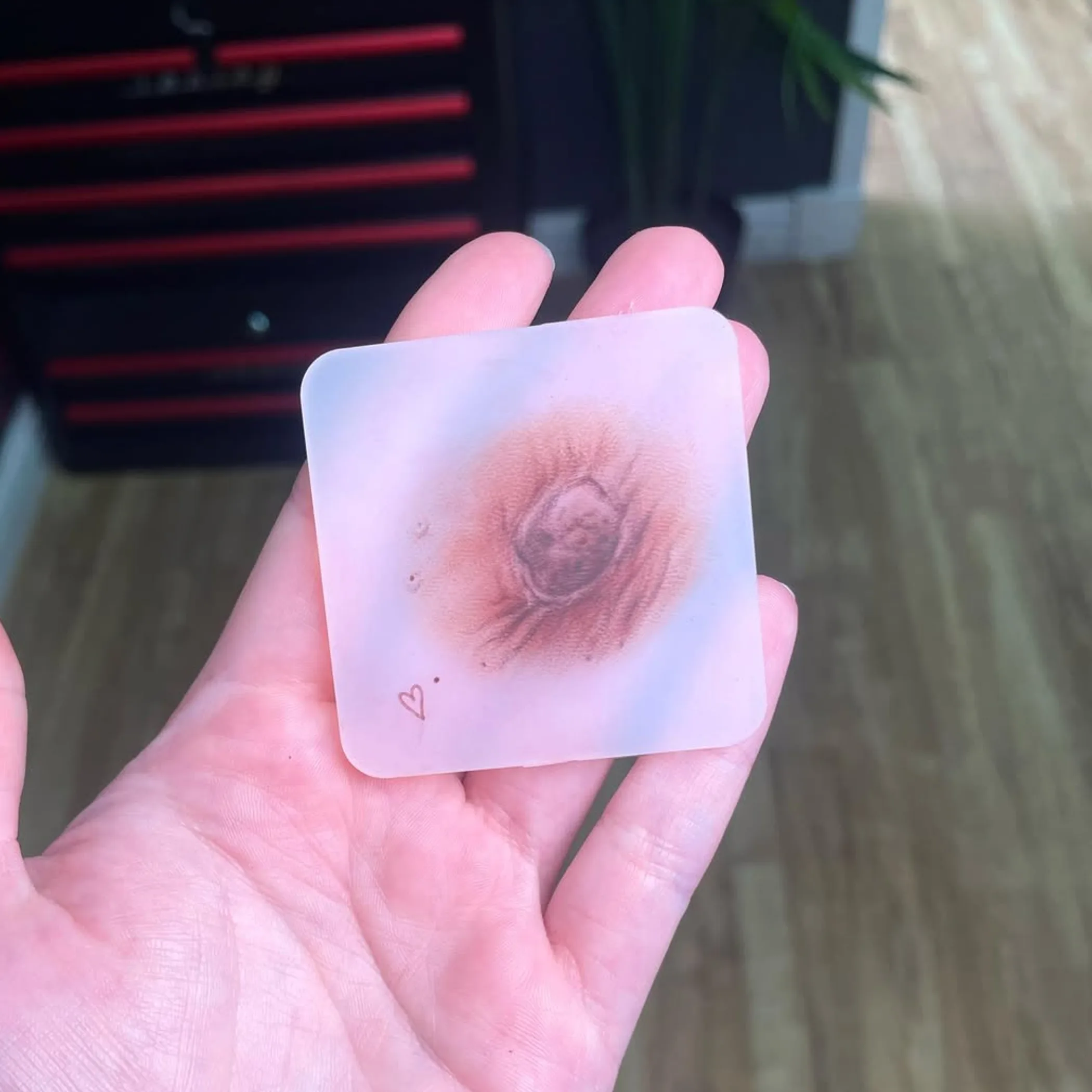
It is a type of paramedical tattooing where pigment is used in lieu of surgery to put the look of the nipple-areolar complex back on the body. The practitioner will put down an areola shape and employ tonal differences to imply a certain curvature and natural folds to the nipple, creating an areola tattoo dimensional areola effect.
From any normal distance the effect is quite convincing. But get close and the skin is as flat as ever. The 3D quality is in the eye of the beholder, in the contrast, not in anything protruding from the skin.
What The Treatment Recreates
An areola, a nipple, a central highlight and some of the small things that come with natural anatomy may all be part of the treatment, contingent on your goals and make-up. There are artists who will put in a few subtle marks to stand in for Montgomery’s glands.
The work has to be realistic, to fit the person and not be a perfect circle as if it were stamped on. Nature does not have it so neat, nor does most any bathroom with a teenager about. The practitioner will have to contend with grafts, scars and any unevenness in pigmentation.
Dimensional Areola Tattooing Explained
You will hear it referred to as 3D nipple restoration or 3D areola and nipple tattooing but they are all aimed at the same thing: making a nipple and areola appear on the skin. What the technique does is layer the pigment for a credible transition from the centre to the outside of the areola. Lighter or warmer tones for the areas coming forward, darker ones for any recesses.
How The 3D Effect Works
A good practitioner will not simply pick a brown or pink and call it a day. Skin tone, undertones, scar tissue and the breast itself are factored in, as is how the colour will soften once healed. The best results tend to be understated. Put in shadows that are too dark or highlights too pronounced and it looks like paint, not anatomy. Colour grading is something of an art, akin to putting seasoning in a stew; you can always put some in but you cannot easily take it out.
Shadows, Highlights And Colour
To create depth there is need for both. A darker crescent can define the underside of a nipple and a lighter spot in the middle gives the impression of projection. Several related tones will be used rather than a single flat one.
Matching the skin tone is not an exact science since skin is subject to hormones, age, the sun and medication. So part of the consultation is to talk through how the colour will settle.
Why Flat Skin Can Look Three-Dimensional
The brain is quick to make of contrast a shape and depth when the light and dark are in a pattern it recognises. Hence a drawing on paper can seem rounded. The 3D areola tattoo is no different in principle. It will appear natural in the mirror whether sitting or standing but do not expect a tactile nipple. If one is put forward with the promise of a result that will be indistinguishable in any light or from any vantage point, then the sausage has been oversold.
Who is the treatment for?
Those who have had a mastectomy, breast reconstruction or are done with their breast cancer treatment are among those to consider it. It can be an option too for anyone looking to put some colour and symmetry back after an injury, congenital differences or a revision operation.
In the end, suitability is a matter of one’s skin condition, medical history, how well one has healed and the training of the practitioner. It is as well to have a consultation before making a booking; what is good timing for one individual may not be for another.
Why people book
A client may want an areola reconstruction tattoo post mastectomy simply because the reconstructed breast seems wanting in colour or nipple detail. Some opt for a unilateral tattoo to even things out on one side following surgery, others a bilateral one for uniformity.
Scar camouflage is something to enquire about if there are scars. While it can be part of the plan, scar tissue does not take to pigment in the same way as unblemished skin so it should be given its own consideration and not be taken for granted.
To put off or forgo it
Treatment might have to be put on hold where the skin is yet to heal, the area is irritated, the scar is in flux or the surgical team has not given the go ahead. In the wake of radiotherapy, infection, a change in medication or any recent surgery, getting medical clearance is prudent.
There are times a practitioner will not proceed in the face of open wounds, an active infection or unstable scar tissue and rashes of no clear cause. That is a sensible boundary for safety, not a case of being difficult.
Post mastectomy or reconstruction
Without a natural areola or nipple an areola tattoo gives some visual definition. With a reconstruction it can be the last step to put in some contrast and colour and define the outline of the breast in a more familiar way.
One should not rush into it as a reconstruction will alter its shape with time and the tattooing could end up in the wrong place. Timing is dictated by the surgery and the advice of the team.
Reality check
It is tempting to think a 3D restoration will have the breast looking as it was pre surgery. But the reality is not quite so straightforward. Tattooing lends a sense of completeness but no amount of ink will give you a raised nipple or restore warmth, sensation and erectile response.
Seeing an areola again can be an emotional thing for some right away; for others it takes time to come to terms with it, the tattoo serving as a reminder of the treatment. Both are to be expected. A proper consultation will make allowance for the feelings involved, not just go over pigment charts and times.
Readiness
The treating team or surgeon can tell if the skin is up to it. Healing can be delayed by grafting or infection and radiotherapy will have an effect on how the skin accepts pigment. When in doubt, get some medical opinion first.
Then there is the question of whether one is prepared to look at the area as it heals. There will be flaking and intensity of colour and swelling in the early days; the finished article is not there on day one.
The procedure
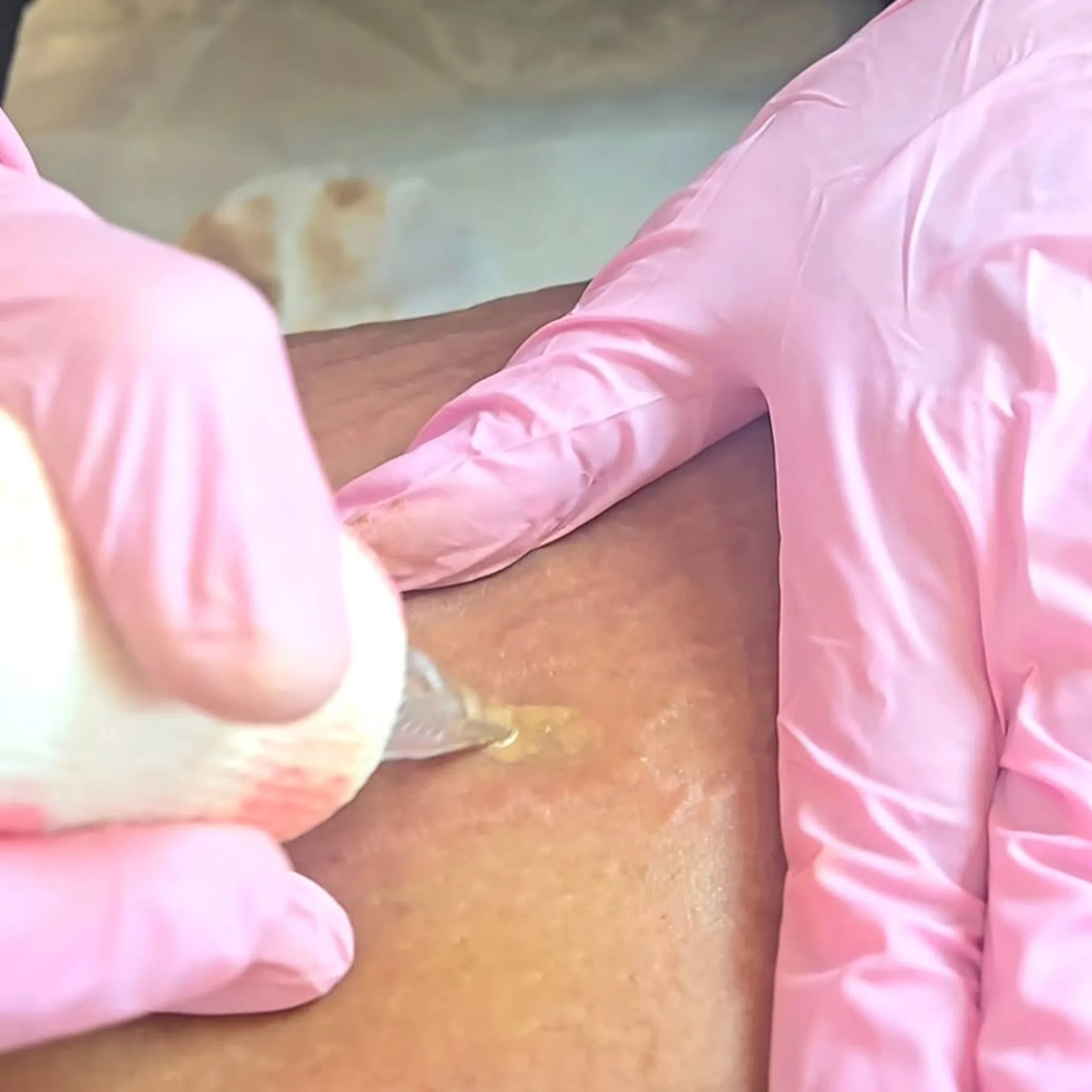
A review of medical history and the state of the breast and scars, a talk about colour and shape is the usual start. The practitioner will mark the position to be tattooed and, with consent, put photographs on file.
Communication is important. One can bring reference pictures for a style but a design has to be made to fit the body; an internet image does not factor in the direction of a scar or the tone of the skin.
What to expect at an appointment
- There will be an assessment of suitability and surgical history.
- The areola will be measured and placed.
- Colours will be chosen by way of samples and matching.
- Then comes the paramedical tattooing with its highlights and shading.
- Afterward there will be instructions and perhaps a word about a touch up, and photographs if you wish.
How long it will take is hard to say without asking the practitioner for a window of time; it depends on the extent of the work, the scar tissue and if it is unilateral or bilateral. Do not assume they are all the same length.
Before hand
Put on something comfortable for the chest that will not chafe later. And do not book in for the day before a road trip or heavy exercise, or a holiday at the beach where clothing is likely to rub the area.
A word of advice on local logistics: make sure you have a handle on the studio’s parking, privacy, stairs and lift, as well as public transport links prior to the day. Should your journey be from regional Australia, factor in some time for breaks and put up at a place close by if it is an emotionally taxing or bilateral appointment. One does not want to be on the Stuart Highway realising the post-treatment clothes are a bit too snug.
Healing, Aftercare And Results
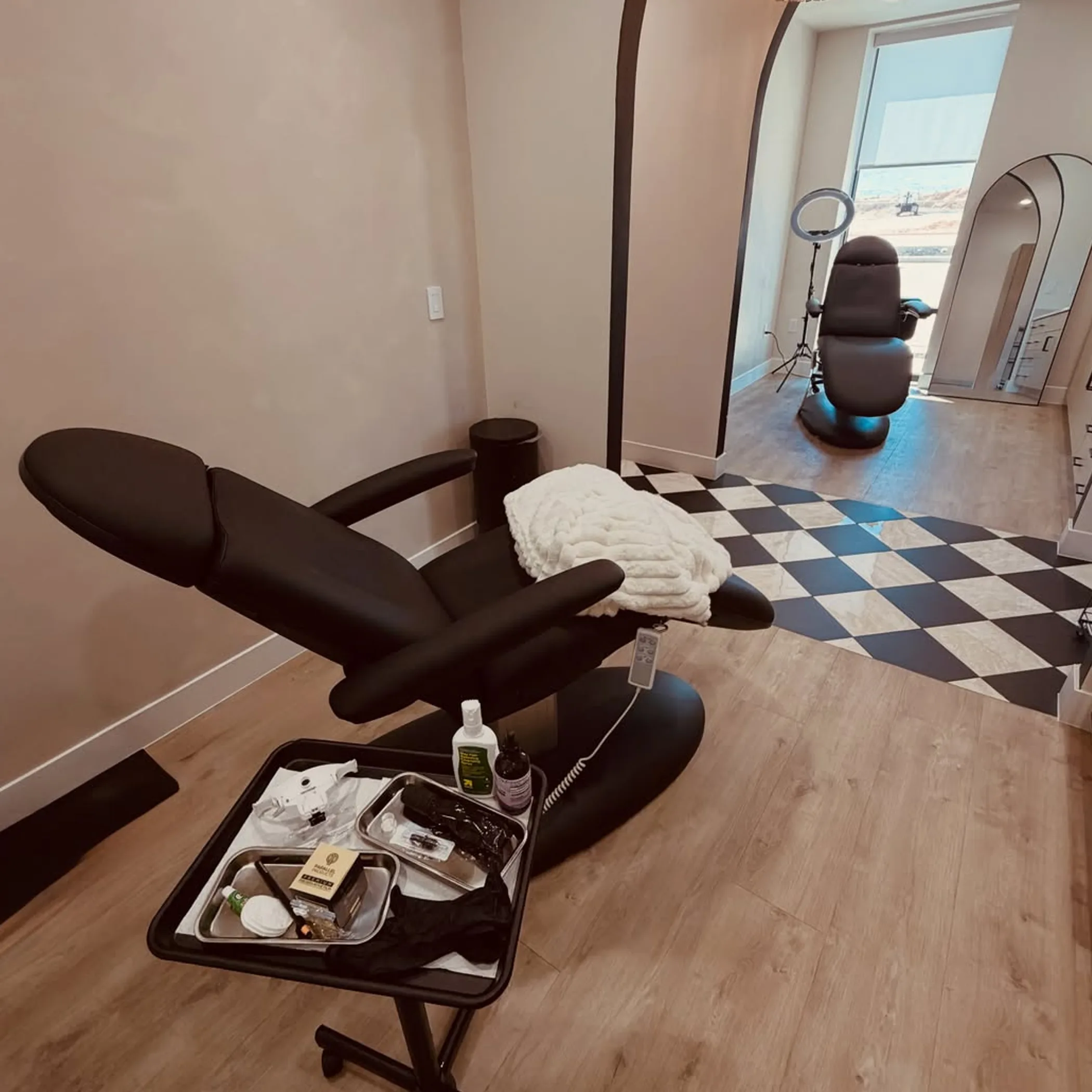
The length of healing is a function of one’s general health, the size of the treatment, pigment density and the state of the skin. In the early going the tattoo will appear more vivid or dark before softening with the surface. You might experience some flaking or tenderness; but any fever, pus, redness that is spreading or pain that intensifies should be met with immediate medical attention.
Adhere to what the practitioner has put in writing for aftercare. Until given the all clear, do not have a soak in the bath, spa, ocean or pool, use products that have not been sanctioned or pick at flakes. The cold water of Tasmania can be alluring, yet a fresh tattoo is no place for an outdoor swimming experiment.
What Can Affect Healing?
Things like smoking, diabetes, immune conditions, sun, friction, sweat, radiotherapy in the past or some medications will have an impact on healing and how the pigment holds. Put the practitioner in the picture on any pertinent treatments or conditions ahead of the appointment.
Stick to the products put forward for the area and wear nothing but clean, loose clothing, refraining from touching it. Should the area get hot or painful and start to swell, put in a call to a healthcare professional instead of seeking solutions in a comment thread.
Touch-Ups And Longevity
It is not unusual for a touch-up to be called for once the initial healing is done as the pigment may fade or soften in an uneven fashion; this is not of itself a sign of poor work. Reconstructed skin and scar tissue take to pigment in a way normal skin does not.
Then again, results are not as permanent as surgery would be. Ageing, the sun and breakdown of the pigment will change things over time. Before you go ahead, enquire as to how the practitioner deals with colour shifts and fading.
2D And 3D Options Compared
There is merit to both 2D and 3D methods. It comes down to whether you want a flat colour of a softer kind or a more pronounced projection, and to your anatomy and skin.
The following table is a useful point of reference, though practitioners will have their own nomenclature so ask them what they mean by each option.
| Option | Visual Approach | May Suit | Key Limitation |
|---|---|---|---|
| 2D areola tattoo | Less shading, a flatter outline and colour | Those after a less dimensional or simpler look | Lacks visual depth |
| 3D areola tattoo | Tonal transitions, highlights and shadows with layered pigment | For a rounded illusion of nipple and areola | To the touch it is still flat, a touch-up is possible |
| Unilateral tattoo | A match for the breast on the other side | Asymmetry or one-sided surgery | Technically demanding to get right |
| Bilateral tattoo | A pair with consistent placement and colour | Where uniformity is desired | Treatment area is generally larger |
You will not find a “best” option that fits all. A 2D result can seem more natural in some, while another is better served by 3D areola and nipple tattooing with careful shading.
Choosing An Australian Practitioner
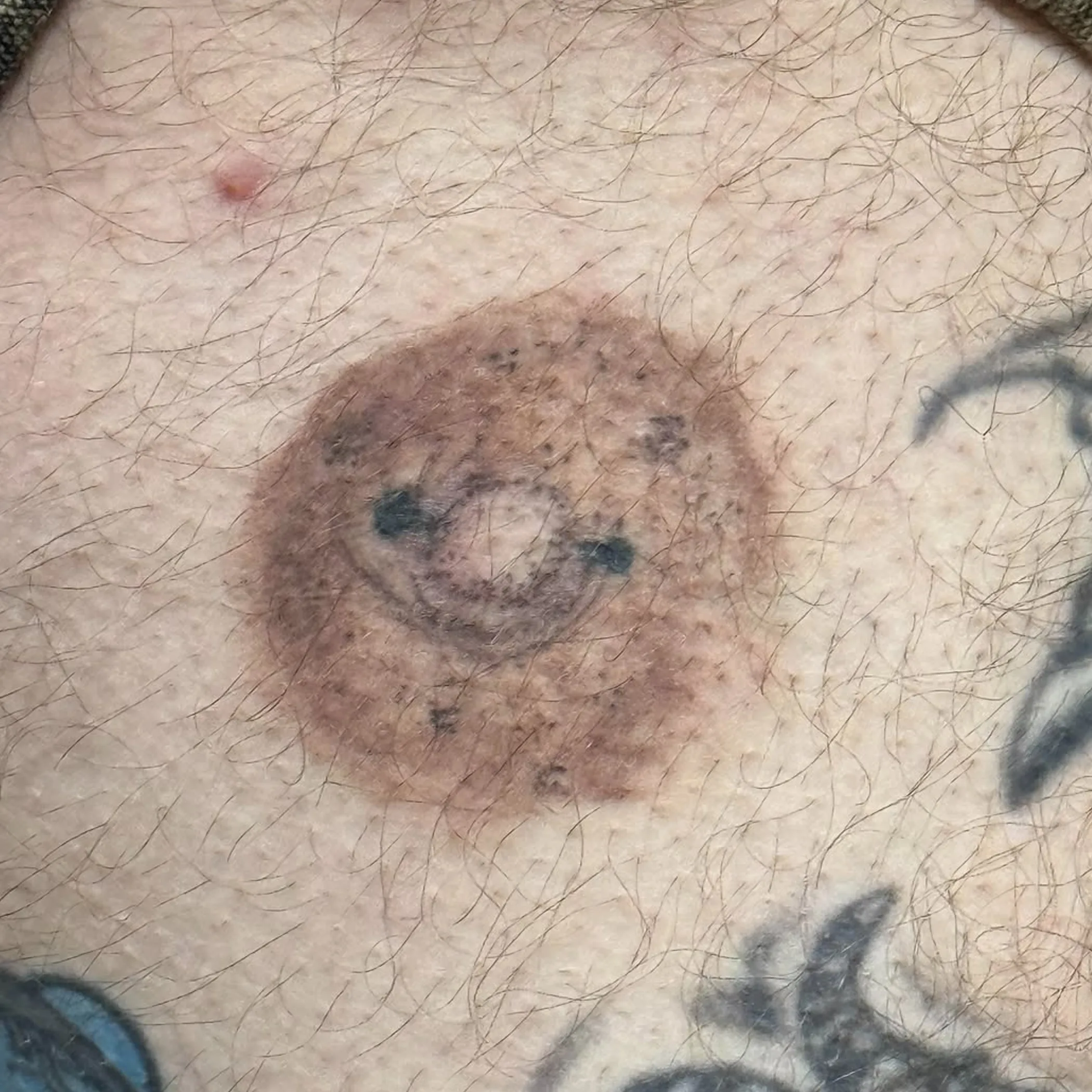
It is a matter of technical ability, communication and clinical awareness when selecting an artist. Proximity should not be what makes the decision even if a search for “3D areola tattoo near me” or in Australia will put together a shortlist. One should seek out any and all the pertinent details on experience with post-surgical skin, consent, infection control, training, pigment safety and before-and-after photos. In the case of the latter, put to the practitioner whether they are displaying work that is fully healed or something more recent; a fresh application of pigment will have a darker, sharper look than what one sees in the end.
Questions Worth Asking
- What is your level of experience when it comes to scar tissue, breast reconstruction and mastectomy?
- Tell me about the pigments you put to use. Is there a hypoallergenic or vegan option?
- In what way do you go about colour matching for varying skin tones?
- Should the pigment change colour or not heal evenly, what is the procedure?
- I would like to know the fees in full, from consultation through to treatment and any touch-up that may be needed.
- Is there any medical clearance or information you need from me?
Put a price in writing instead of going by some indeterminate starting figure. There is a difference in cost between regional and city areas in Australia, and unilateral as opposed to bilateral treatment, correction or scar camouflage can add to it. Then factor in travel and accommodation and the cheapest looking option does not seem so cheap.
Reliable Health Information
Cancer Australia has the official statistics for breast cancer and treatment. Or one might turn to PubMed to find published research, though being listed in a database is no substitute for a recommendation on personal treatment.
3D Areola Tattoo FAQs
Will A 3D Nipple Tattoo Appear Real?
At normal distances it can be quite realistic if the shading and colour are right for the anatomy. But it is not raised to the touch and under close scrutiny the tattooed nature of it will show. The effect is also down to lighting and how well it has healed.
Is There Pain Following a Mastectomy?
Sensation is altered by radiotherapy and surgery so discomfort is not uniform. Where some have little feeling at all, others are tender. Your practitioner ought to advise on what numbing products are in order given your skin and medical history.
Is an Areola Tattoo Possible Post-Reconstruction?
Once the treating team deems the time right and the reconstructed breast and skin are healed, many can have one. The shape must be set for the placement to be true. After complications or recent radiotherapy it is prudent to get medical clearance.
Do 3D Areola Tattoos Last?
They are more in the semi-permanent category. The body’s healing process, age, sun and other skin changes will see the pigment fade or alter over time. Plan for the practicalities and cost of maintenance and the occasional touch-up.
Can You Conceal Scars With It?
Some scars will have their visual contrast softened but there is no guarantee of camouflage. Scar tissue is less predictable, it can be of a different thickness or tone. Have the practitioner make an assessment of the scar on its own and say if he thinks it is suitable for tattooing.
To Make An Informed Choice
For those who desire symmetry and definition without another operation, a 3D areola tattoo is a significant last step after reconstruction or mastectomy. Proper aftercare and realistic expectations are what yields the best results from a qualified hand.
Inspect the healed examples, ask your questions directly and do not be in a hurry. When a practitioner has due regard for the person and his or her medical history, dimensional areola tattooing is more than putting an outline back; it makes the body feel recognisable.
