The first thing one should know about an Australian beach season is that there is not really such a thing. That is the premise of this 2026 guide. Southern beaches are made for summer, but in Queensland you will find winter to be the ideal time for whale watching or other pursuits. Then there is northern Australia which does not adhere to the usual four seasons so much as a wet-and-dry cycle.
Travellers will find the optimal time to be at the coast is dictated by what they want to do and where they are going. You can put in some swimming in Sydney or Melbourne from the tail end of spring to early autumn. Far North Queensland is at its most comfortable and clear in the dry months; Tasmania has a way of testing the hardy walker in summer. I am Nicholas Fairchild and have spent years charting coastal excursions from Hobart up to the tropics, so I can tell you that tides, wind and road access are as important to check as the thermometer. For readers comparing destinations, see optimal US beach timing.
Australian Coastal Seasons At A Glance
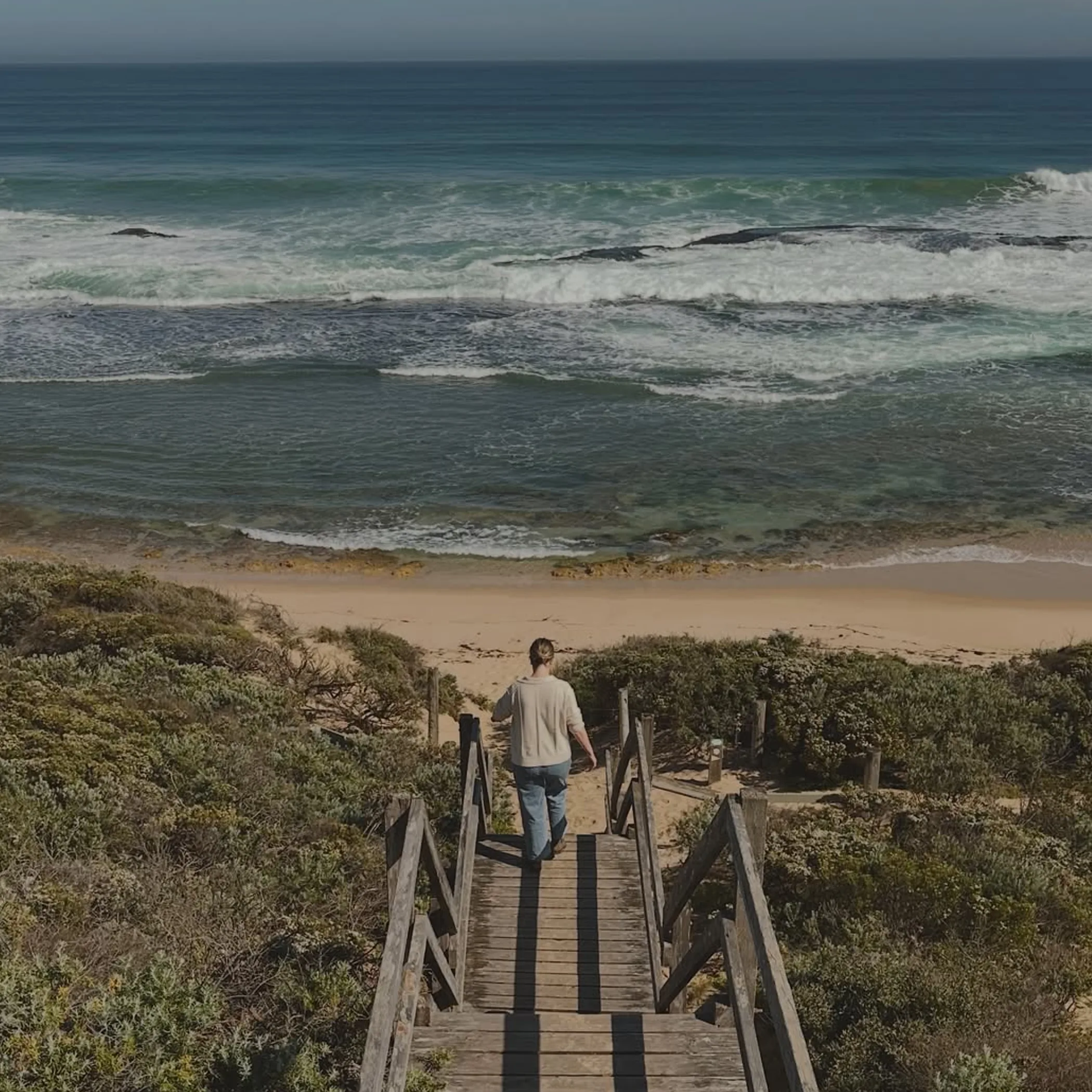
Meteorologically speaking, Australia’s seasons run for three months each: December through February for summer, March to May for autumn, June to August in winter and September to November for spring. Handy labels for planning purposes but they are not representative of all our coastlines. The temperate south will be warmer in summer and cooler in winter. In the tropical north, be it the Top End, Kimberley or Far North Queensland, the wet and dry season is the better way to think of it. And before you book, have a look at the Bureau of Meteorology and any local park notices; a storm can put a rough edge on a beach road in no time.
| Season | Southern And Temperate Coasts | Northern Australia | Good Uses |
|---|---|---|---|
| Summer (Dec – Feb) | Sunny and warm, if busy; with heat and bushfire risks on the rise | Wet season brings humidity, cyclones and tropical storms | For surfing and swimming in the south, or some careful coastal camping |
| Autumn (Mar – May) | More milder days and calm, the crowds thin out | As the wet eases off you get better access in the shoulder period | Coastal walks, a road trip to a more sedate beach town |
| Winter (Jun – Aug) | Weather is variable, water and air are cool | Dry season means less humidity and travel is more dependable | Long coastal strolls, the northern beaches and whale watching |
| Spring (Sep – Nov) | Daylight and water temps are up, wildflowers come out | Humidity will build as the wet season approaches | Some good southern road trips and surfing ahead of the peak |
With thousands of kilometres of coast to cover, averages are of little use. It can be hot and dry in Broome while a southerly is in Victoria. An unassuming morning in NSW might well give way to a treacherous swell by afternoon. Consider the region.
Summer On Southern Coasts
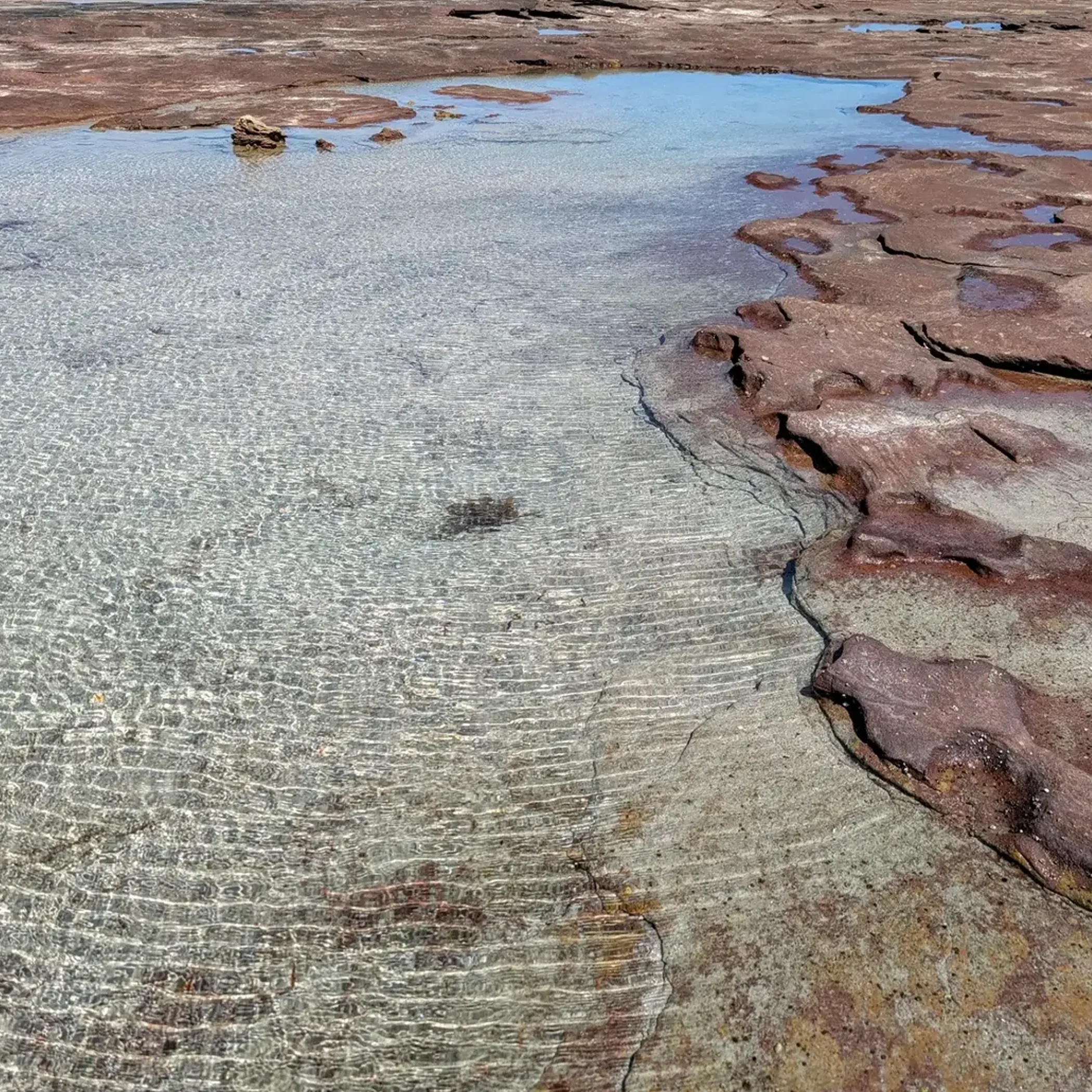
NSW, Victoria, South Australia and Western Australia draw many in the summer. There is plenty of daylight and the water is inviting for a casual swim, though the holiday towns are as full as a sardine tin at Christmas and New Year.
Do not expect uniform temperatures. Northern NSW and Sydney are properly warm, Melbourne can go from bright sun to a cool change in short order and in Tasmania you may experience four seasons before you have had lunch. Take along some sunscreen, a light jumper and the patience for car parks.
Swimming And Surfing
It is a fine time for the family or to try your hand at beginner surfing, but a warm day is no assurance of a warm sea. In Victoria, South Australia or Tasmania the water is a good deal cooler than you would find in Queensland or northern NSW. Put on a wetsuit and what was a teeth-chattering dip becomes quite pleasant.
Stick to the flags and the patrols, be watchful of the children and show some respect for rock platforms. An onshore breeze in the afternoon will not be as forgiving of a paddle as the morning was. And if you are on the Great Ocean Road or somewhere similarly exposed, do not put too much stock in an online estimate for your drive; factor in the wind and traffic and make time for stops.
Crowds And Closures
The downside of summer is the strain on campsites, parking, fuel and even the walking tracks. Smoke from a bushfire can drift far from the fire and close off a coastal park. Make sure you are up to date with state emergency and park warnings.
I once put together a summer weekend on the Victorian coast and found myself expending more effort to locate a legal campsite than I did on the track itself. Reserve for the peak times, have another town in reserve and don’t count on a single fuel stop being enough.
Autumn Coastal Conditions
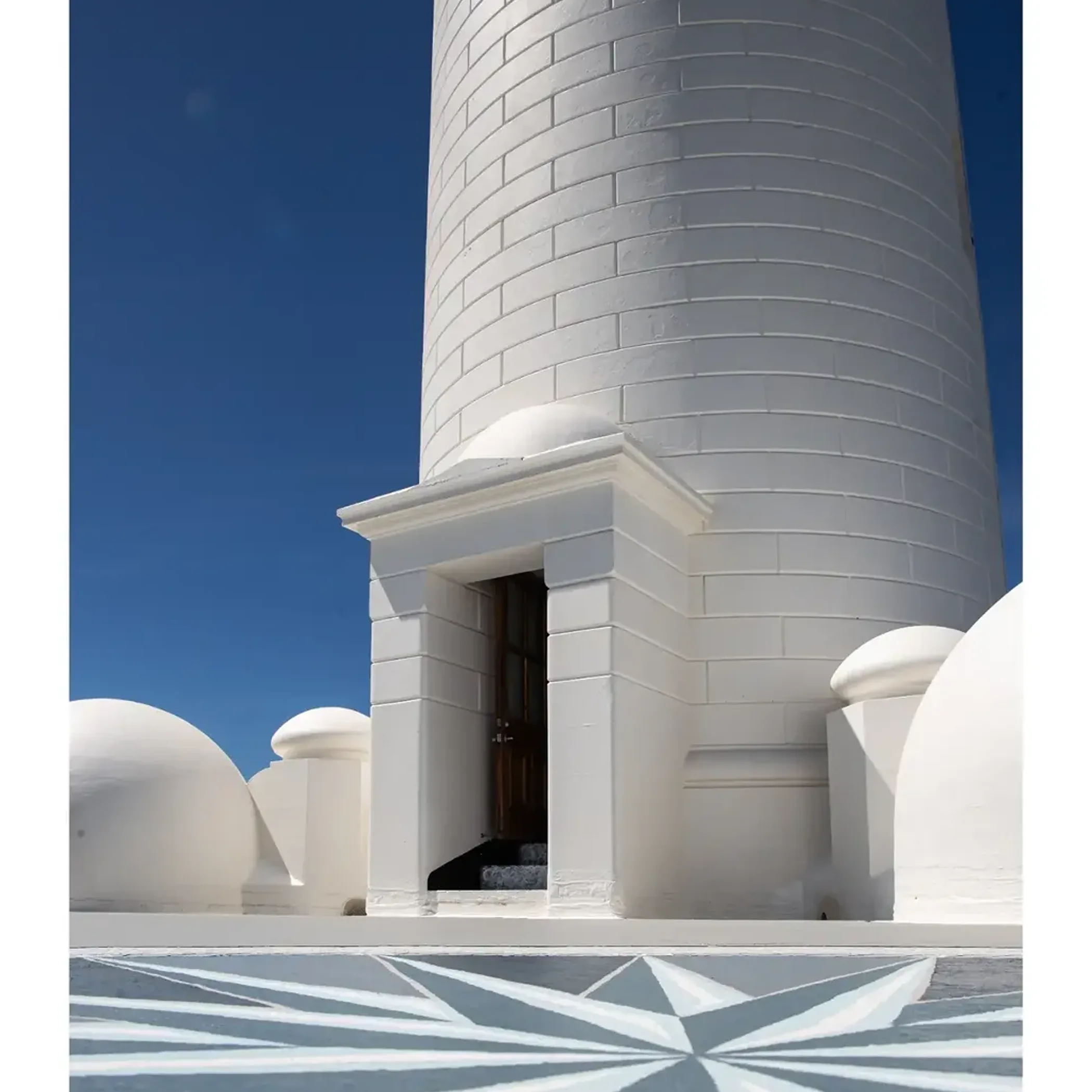
An Australian coastal travel guide would do well to put autumn in the spotlight. It is a season that tends to offer milder weather and an absence of crowds. In Queensland and NSW March has a way of still feeling like summer, but by April and May the temperate south will have more agreeable conditions for a walk and cooler evenings.
All in all it is a fine time for a road trip along the coast or some photography, to be had with your local food and longer walks. Then again there is the matter of changeability. One day may be calm and sunny, the next you could have a cold front, heavy rain or strong swell on your hands, as is the case in Tasmania, Victoria and South Australia.
Shoulder-Season Travel
Get out and about when school is in session and the strain on accommodation eases, parking becomes a non-issue. There is something to be said for coastal camping when the ground is dry and one is not baking in the night air. Do make sure any seasonal ferries or the smaller cafés and visitor centres are open outside of peak times.
If you are after a day away from it all, pick a town on the coast that has a beach, a headland track, a café and an indoor attraction close by so that if it rains it is merely an annoyance and not your whole plan. And pack a thermos to boil the billy and some spare socks and a rain jacket, no need to look as though you have lost a bet.
Winter Beaches And Whales
Do not write off winter (June through August). You may not want to take a casual dip at the southern beaches, but the walking is crisp and the surf dramatic, and one can expect good whale watching in Western Australia, South Australia, Victoria and NSW.
Not so in northern Australia and Queensland. The dry season means lower humidity, better skies and you can get around the tropical north with some certainty. Broome, the Kimberley and Kakadu National Park are most comfortably explored in winter, even if the going is a bit busy at the more popular spots.
Whale Season
You cannot count on seeing a humpback, yet they do make their way past our coastal vantage points in the cooler months. Binoculars are a must and give yourself two hours or more; do not put yourself in harm’s way on an unstable cliff edge for the sake of a photo.
A boat tour will set you back some AUD 80 to 150 an adult as a rule of thumb, depending on where you are and who is running it, but those are figures for planning purposes only. Shore-based whale watching is cheap. If you are prone to seasickness, stick to a lookout.
Cold Water
Unless you have a cousin Darren to impress, leave the winter swimming to those with a taste for it. Unpatrolled beaches are no place for a solo swim and the winter swells will turn rocks and entries you know well into hazards. Know what you are doing and put on some exposure protection.
Coastal Spring
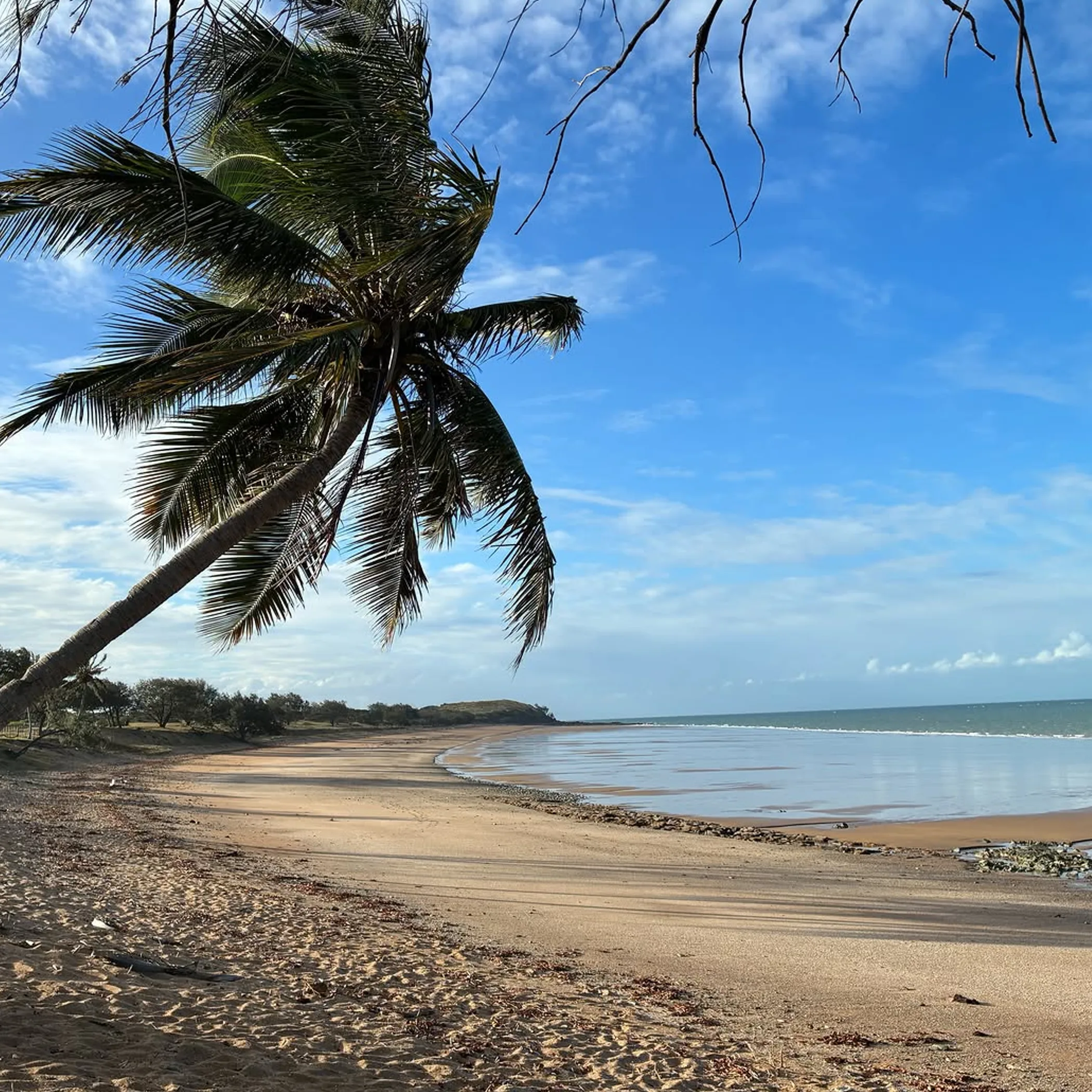
September to November affords the south of Australia longer days and a sea that is warming up, a good mix of access and energy. The wildflowers of Western Australia, Tasmania, Victoria and South Australia put some colour on a coastal walk before the northern humidity sets in ahead of the wet.
Those wishing to put in some swimming and surfing without being hemmed in by the summer hordes will find spring suits them. The weather is not always settled though, so have some layers on hand and see what the wind forecast is saying before you go out on an exposed track.
Use The Longer Days
Make use of the extra daylight. Be at the better beaches early and be gone before the onshore breeze picks up in the afternoon. It also leaves you to put fuel in the tank, call at the bakeries and locate a public dunny before the country gets remote. A coastal route is seldom wanting in scenery, it is more often the lack of water or a missed return bus that is the problem.
For the novice on a well-marked track spring is sensible enough, assuming the forecast holds and the route is not long. But stay clear of a remote walk on top of a cliff in high winds or where creek crossings are subject to seasonal flooding.
Wet and Dry in the North
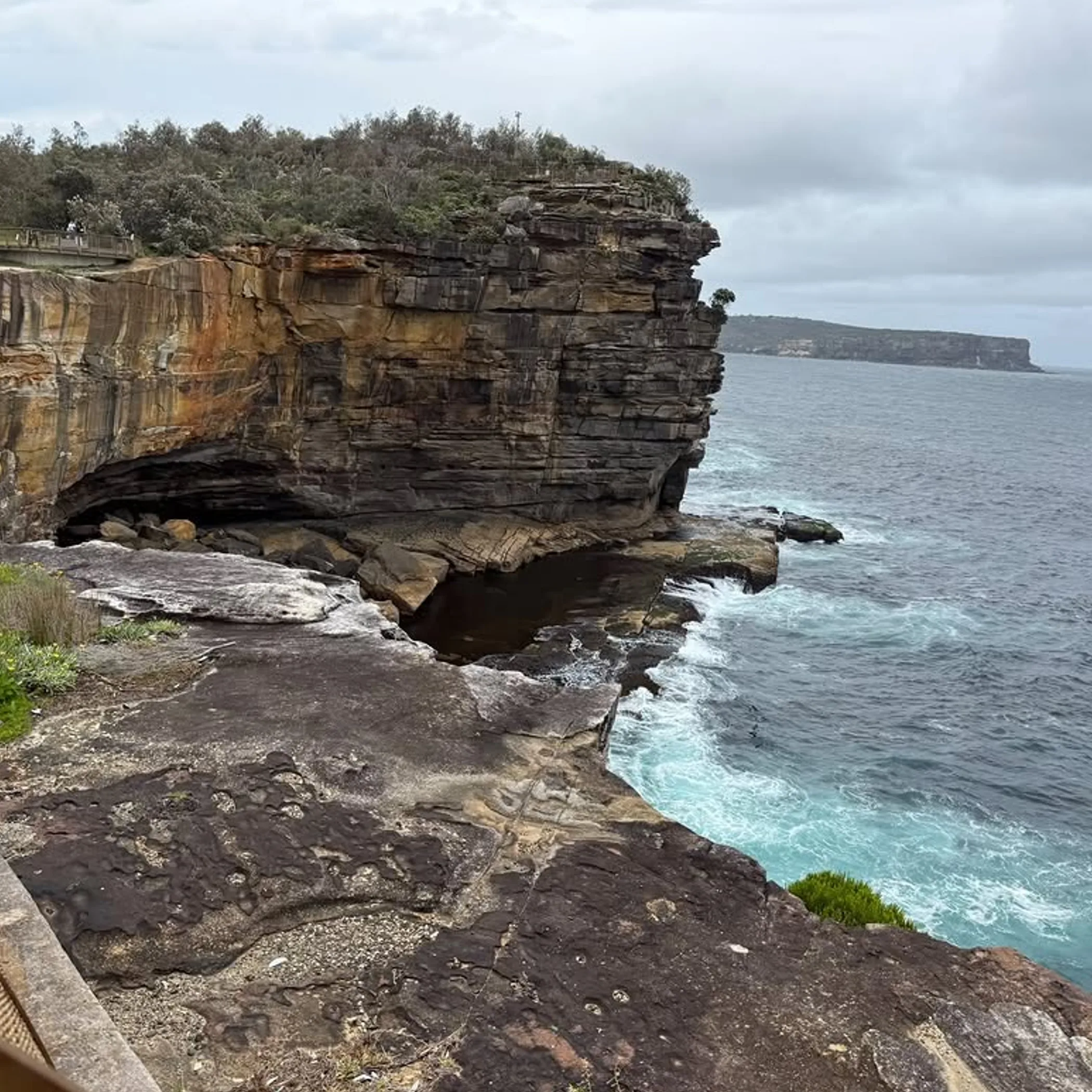
The pattern in the north is not the same as in the temperate south. With the wet comes thunderstorms, tropical storms and the odd cyclone to go with the humidity and rain. The dry season is more to be relied upon for your roads and outdoor pursuits.
It is a question of where and when. In the Top End unsealed roads and waterfalls can be inaccessible in short order. Some of the routes in the Kimberley and Broome are seasonal and you would be wise to check on the Gibb River Road, have the right tyres and current information. Permits for parks and Aboriginal land may be required.
Travel The Dry Season
Visitors to northern Australia will find the dry season the more straightforward option for coastal drives, a bit of camping or swimming and to get out on the walking tracks. You are less likely to be put off by humidity, though it is still hot in the day and you should not expect to find last minute accommodation at the better places.
The wet season has its appeal with some fine waterfalls, but then again seasonal flooding can put an end to road and crossing use. Swimming in the tropics is subject to marine stingers. Do not make the assumption that a beach is safe just because it is unoccupied; heed what rangers have to say and any local signage. And in the north’s waterways one does not have the luxury of being anything other than croc-wise.
For regional forecasts, cyclone data and any warnings, the Bureau of Meteorology’s Australian weather and warnings service is the place to look.
Activities By Region
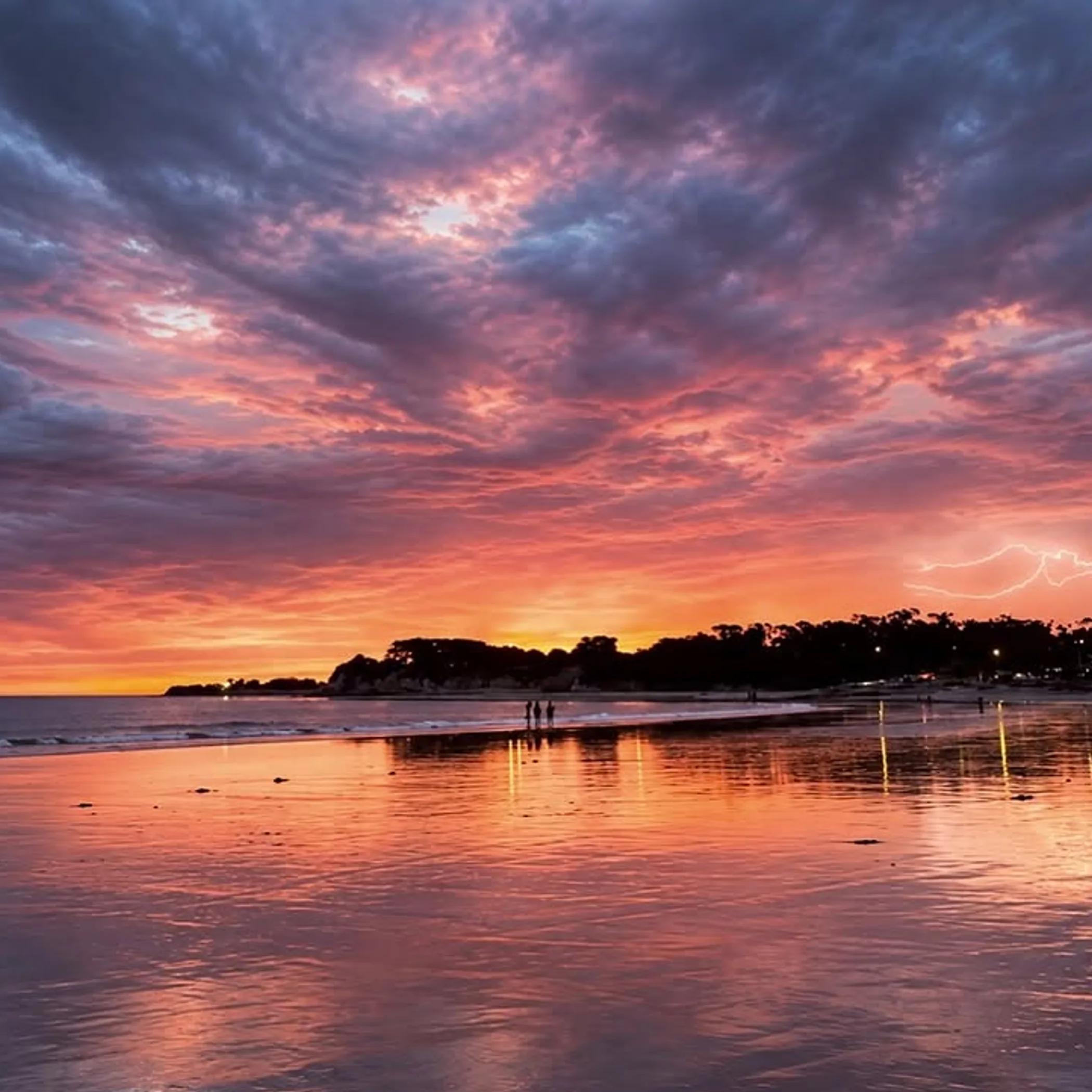
Your priorities will dictate when to put in an appearance at an Australian beach. A surfer is after consistent swell and to avoid the crowds, whereas a family would put warm water, lifeguards and proximity above having ideal weather.
Those who put Australian beach dates up against the best times in the US would do well to recall the seasons are reversed down here from the Northern Hemisphere. It is a simple error to make after a long flight and one too many coffees at the airport to think December is the onset of winter.
| Activity | Useful Regions | Generally Favourable Period | What Catches People Out |
|---|---|---|---|
| Swimming | Queensland, northern NSW, the warmer WA beaches | Dry season in the north, late spring to early autumn | Rips, sea temperatures, stingers and unpatrolled beaches |
| Surfing | NSW, Victoria, South Australia, Western Australia | Autumn to spring at most breaks | Shore breaks with power, wind and a changing swell |
| Coastal walks | Tasmania, Victoria, NSW and South Australia | Spring/autumn (summer in Tasmania) | Slippery ground, heat, cliff exposure and little in the way of water |
| Whale watching | NSW, Victoria, South Australia and WA | Winter and spring as a rule | You are not guaranteed a sighting, add in visibility, wind and seasickness |
| Northern road trips | Top End, Broome, Kimberley | When it is dry | Corrugations, fuel run-outs, permits, crocs and floods |
2026 Coastal Safety
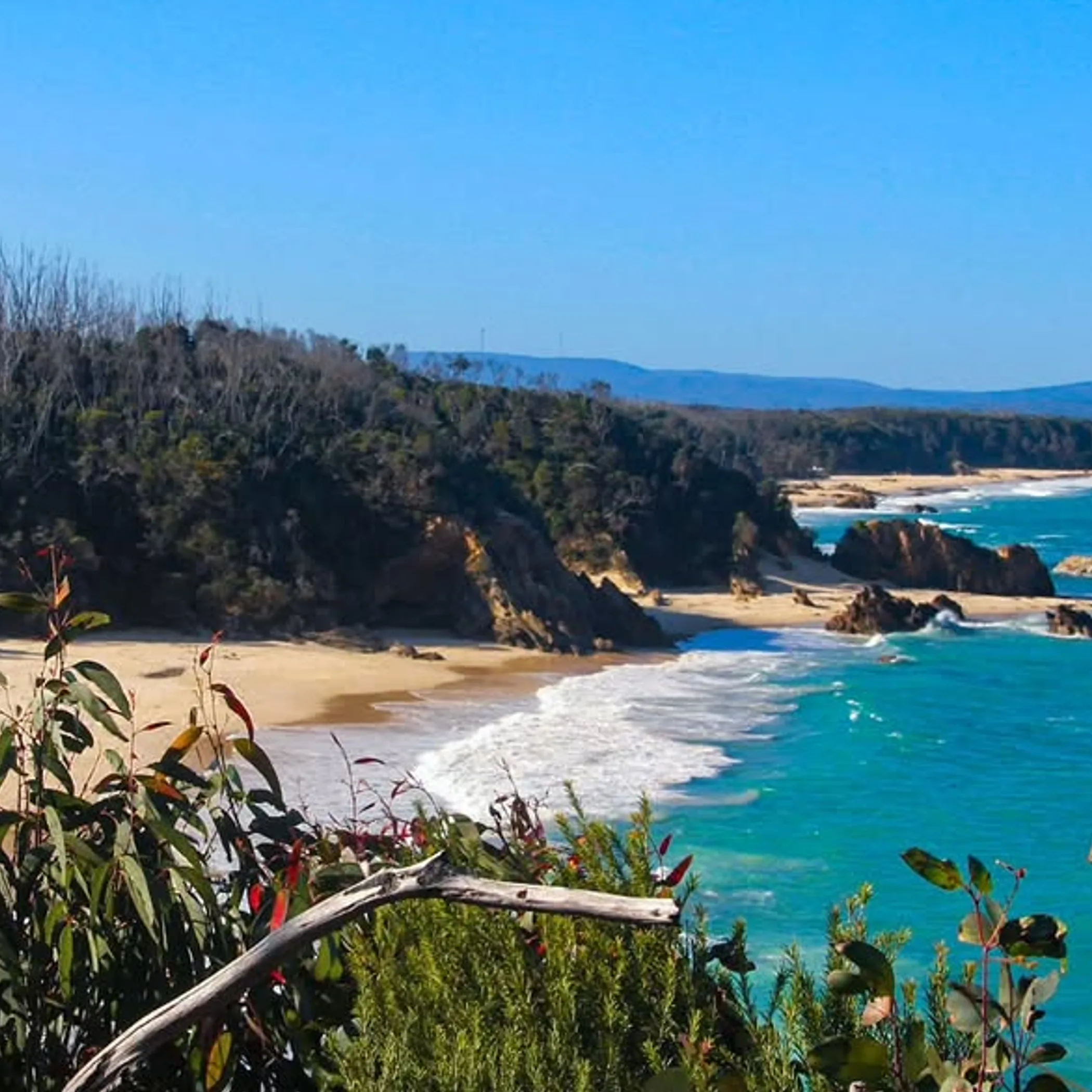
A good plan is one that preempts the kind of surprises you can do without. The coast has a way of changing its mind so check your forecast, tides, fire danger and park alerts before you go and once you are there.
A checklist for any road trip, track or beach:
- Make sure you have a first-aid kit, offline maps, a phone with charge, sun protection and drinking water.
- Look over the surf, tides, any fire restrictions or closures and advice on stingers.
- If you are remote, let someone know where you are headed and when you will be back.
- On a long route do not let the tank drop below half and have food to see you past the next stop.
- Boats, wildlife and rough terrain call for a licensed operator.
Suit Yourself
There is no single answer for 2026. Align the season with the region and how much you want to put up with in the way of heat, cold and mud. In the south summer is something of a buzz, while the tropical north and the whales are worth the winter. The shoulder seasons tend to be the most even handed.
I have a rule of thumb: put in the headline event and allow for the weather. Put away the white sneakers and sensible shoes on, take notice of warnings and if the coast sees fit to put a mozzie or a cold front in your path, so be it. Not a failure, just Australia putting you in your place.
Beginners would be wise to stick to patrolled beaches and towns with services. Families might want a base for short walks and a few swimming options. For the seasoned traveller there is the Gibb River Road or remote camping, provided one has the equipment and information to back it up. With only a day to spare, pick a region and drive sensibly. A main beach, a short walk and lunch with a safe way back will do. One is tempted to do it all but a laid back half-day is preferable to six hurried stops and a case of sunburn in the shape of New South Wales.
Australian Coastal Seasons FAQ
Travellers have these questions when they come to plan around the 2026 seasons. The answers below are a guide, in the end official warnings and local forecasts should have the final say.
What Are The Seasons In Australia For 2026?
Meteorologically we have summer in the December to February period, autumn March to May, winter June to August and spring September to November. The dates do not vary for planning purposes, unlike the astronomical ones. In the north it is more a matter of wet and dry patterns.
Is 2026 Going To Be Hot?
Not something one can put forward with any certainty absent of current climate outlooks. A national prediction will not inform you as to whether your beach of choice is going to be cool or windy. See the Bureau of Meteorology for that.
Season Dates
Three month blocks are the easiest way to compare coastal weather. Summer is December to February, autumn to May, winter to August and spring to November.
And the Four Seasons?
By the meteorological calendar summer starts 1 December, autumn 1 March, winter 1 June and spring 1 September. Astronomical seasons are tied to the equinoxes and solstices and their dates will move a little from year to year.
Timing Your Coast Visit
Late spring to early autumn is fine for a swim in the south, winter for the whales, and the dry season for any Top End or Far North Queensland excursion. But paper months can be misleading; a week can be spoiled by a cyclone or a bad swell. Check on local hazards.
Make The Season Work For You
There is no universal answer to when to visit Australia’s coast destinations in 2026. Match the season to the region, the activity and your tolerance for heat, cold, crowds and muddy roads. Summer is lively in the south, winter is valuable for whales and the tropical north, and shoulder seasons often deliver the easiest balance.
My practical rule is simple: plan the headline experience, then build in room for weather. Bring sensible shoes, respect local warnings, leave the white sneakers at home and accept that the coast will occasionally throw a mozzie, a cold front or a locked gate into your itinerary. That is not failure. That is Australia reminding you who is in charge.
